
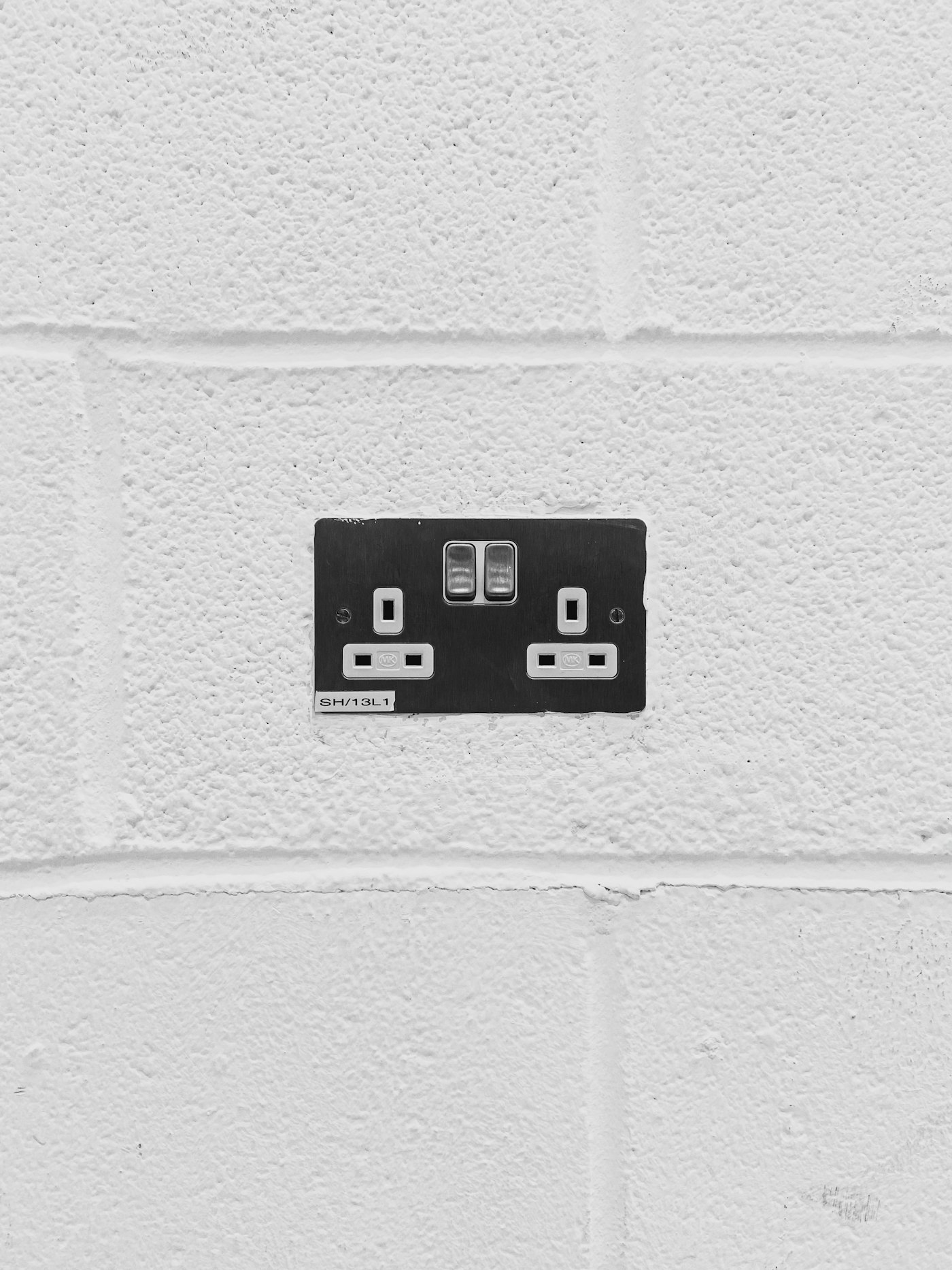
PAT testing.
In-service inspection and testing of the electrical equipment your staff and tenants use. Planned around you, with clear records and labels on every item.
Safe equipment, clear records.
The Electricity at Work Regulations require employers to maintain electrical equipment so it is safe. PAT testing, more properly called in-service inspection and testing of electrical equipment, is one of the most common ways businesses show they are doing that.
There is no fixed legal interval for testing. The IET Code of Practice for In-service Inspection and Testing of Electrical Equipment gives guidance on how often equipment should be checked, based on the type of item and the environment it is used in.
Who we test for
- Offices and business centres
- Shops, cafes and restaurants
- Schools, nurseries and colleges
- Landlords and letting agents
- Warehouses, workshops and building sites
- Events and temporary premises
What's included.
Visual inspection
Plugs, cables and casings checked for damage, the cause of most failures.
Electrical testing
Earth continuity, insulation resistance and polarity tested as appropriate.
Pass labels
Every item labelled with its test date and result.
Asset register
A full record of every item tested, sent to you digitally.
Minor repairs
Fuses and plugs replaced on the spot where it is safe to do so.
Reminders
A recommended retest date and a reminder when it is due.
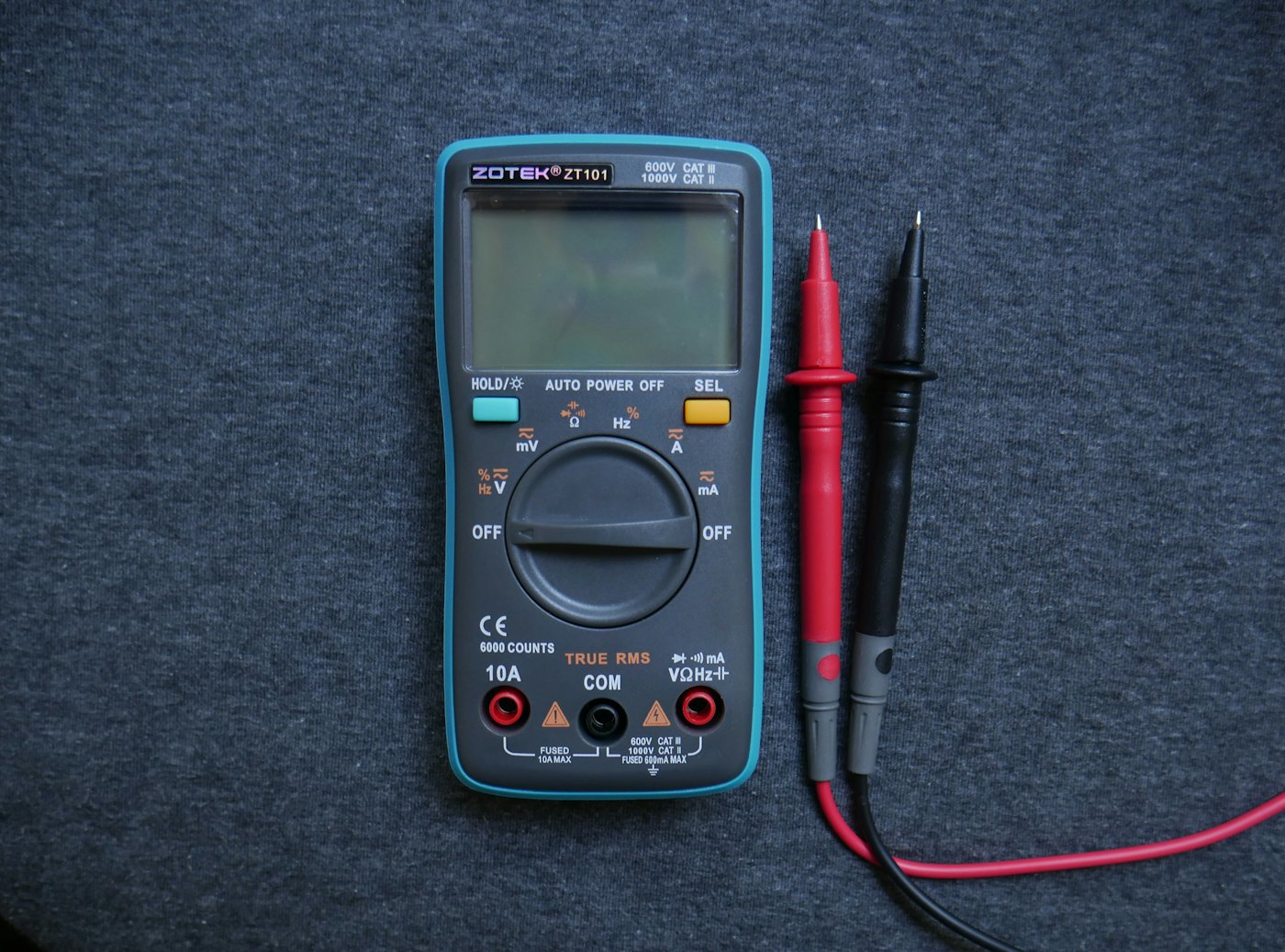
How often should equipment be tested?
The right frequency depends on the equipment and where it is used. Equipment on a building site or in a busy kitchen gets far more wear than a desktop computer in an office, so it needs checking more often. The IET Code of Practice gives suggested intervals as a starting point, and your own risk assessment sets the final schedule.
We test with as little disruption as possible, working through the building area by area or out of hours. Anything that fails is labelled, taken out of use and reported to you with a clear explanation.
Accredited and approved.
NICEIC Approved Contractor (registration no. 609893000), SafeContractor approved, and ECS-carded electricians on every job.


How it works.
Get in touch
Tell us what you need by phone, email or the form. A few details is plenty.
Survey and quote
We see the job before we price it, then put a clear quote in writing.
Tidy installation
Work planned around your home or site, with everything left clean.
Test and certify
Every circuit and cable tested, with the certificates handed over.
Questions about pAT testing.
Is PAT testing a legal requirement?
The law requires equipment to be maintained in a safe condition, but it does not say it must be PAT tested or set a fixed interval. Testing and recording is the usual way to show you are meeting that duty.
How often should I have PAT testing done?
It depends on the equipment and environment. The IET Code of Practice gives guidance, from frequent checks on site tools to longer intervals for low risk office equipment.
Do landlords need PAT testing?
It is not a specific legal requirement for private landlords in England, but testing any appliances you supply is a good way to show they are safe, and many agents recommend it.
What happens if an item fails?
We label it as failed, advise that it is taken out of use and explain why. Simple faults such as a wrong fuse or damaged plug can often be fixed on the spot.
Can you test at the same time as an EICR?
Yes. Combining PAT testing with a fixed wiring inspection is efficient and keeps all your records in one place.
Related services.
Commercial EICRs
Periodic inspection and testing for offices, shops, schools and industrial units. Planned around your business, with a report you can act on.
Landlord EICRs
The electrical safety report every private landlord in England needs at least every five years. Booked around your tenants, with any remedial work quoted clearly.
Commercial kitchen electrics
Three phase supplies for cooking equipment, power to extraction, gas interlock wiring and emergency stops for restaurants, cafes, pubs and schools.
Tell us about the job.
A few details is plenty. We will come back to you to arrange a visit and a written quote.