
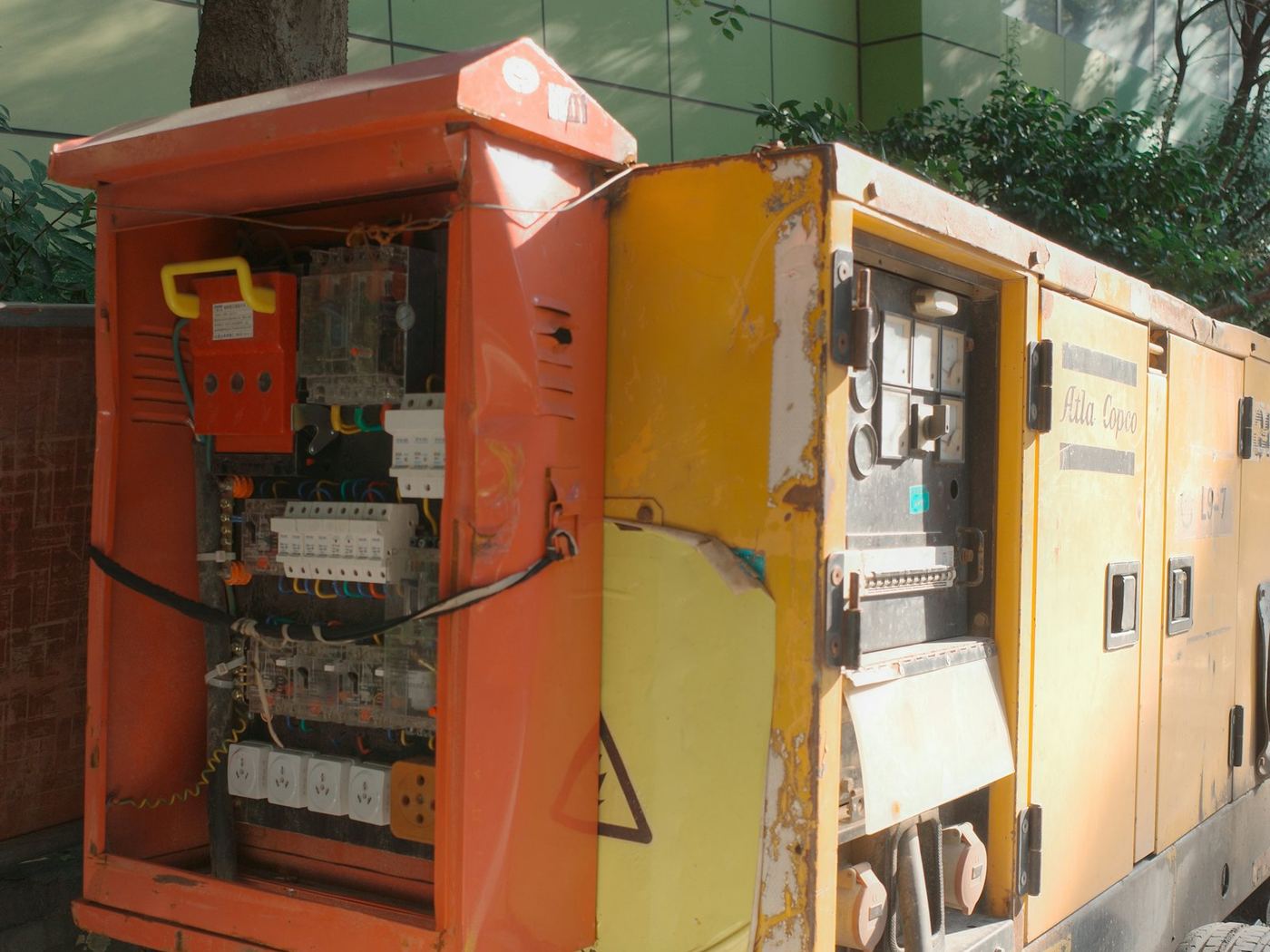
Standby generators and changeover switches.
Keep your home or business powered through a power cut. We connect portable and permanent standby generators, petrol, diesel or LPG, through a proper changeover switch, installed and certified to BS 7671.
Need backup power at home or for a garden office? See our home standby generator service: inlets, changeover switches and LPG generator connections for houses. Home standby generators.
Power when the grid goes down.
A power cut can stop a business completely and leave a home without heating, water pumps, freezers or Wi-Fi. In rural Kent, where supplies run further and cuts can last longer, a properly connected generator keeps the essentials running until the mains comes back.
Connecting a generator safely is more than plugging it in. The building must be fully separated from the mains before the generator supplies it, so power cannot feed back into the network, and the earthing must be right for the generator as a new source of supply. That is what a changeover switch and a proper installation do.
Who we connect generators for
- Rural homes where power cuts are common or long
- Homes with oil or LPG boilers, well pumps or sewage pumps that stop in a cut
- Home offices that cannot go offline
- Businesses with refrigeration, cold rooms or servers
- Farms, kennels, stables and workshops
- Sites that hire in a generator for planned shutdowns
What's included.
Changeover switches
Manual or automatic changeover so the property switches safely between mains and generator, never both at once.
Generator inlet points
A weatherproof inlet on the outside wall, so a portable or hired generator plugs in quickly and safely.
Permanent standby generators
Fixed petrol, diesel or LPG standby sets connected to the whole property or to essential circuits.
Essential circuits board
Critical loads moved to their own board, so a smaller generator can run what matters most.
Earthing
Earthing designed for the generator as a separate source of supply, tested before handover.
Tested and certified
Certified to BS 7671, with clear labels and a walk-through so everyone knows how to switch over.
Separation and earthing, done properly.
The changeover switch is the key safety component. It makes sure the property is either on the mains or on the generator, never both, which protects anyone working on the network and protects your generator. We fit manual changeover where someone will be there to operate it, and automatic transfer switches where the switch over needs to happen on its own.
Generators have their own earthing requirements, which depend on the generator and how it is connected. We design the earthing as part of the installation, test it before handover, and label everything so you or your staff know exactly how to switch over.
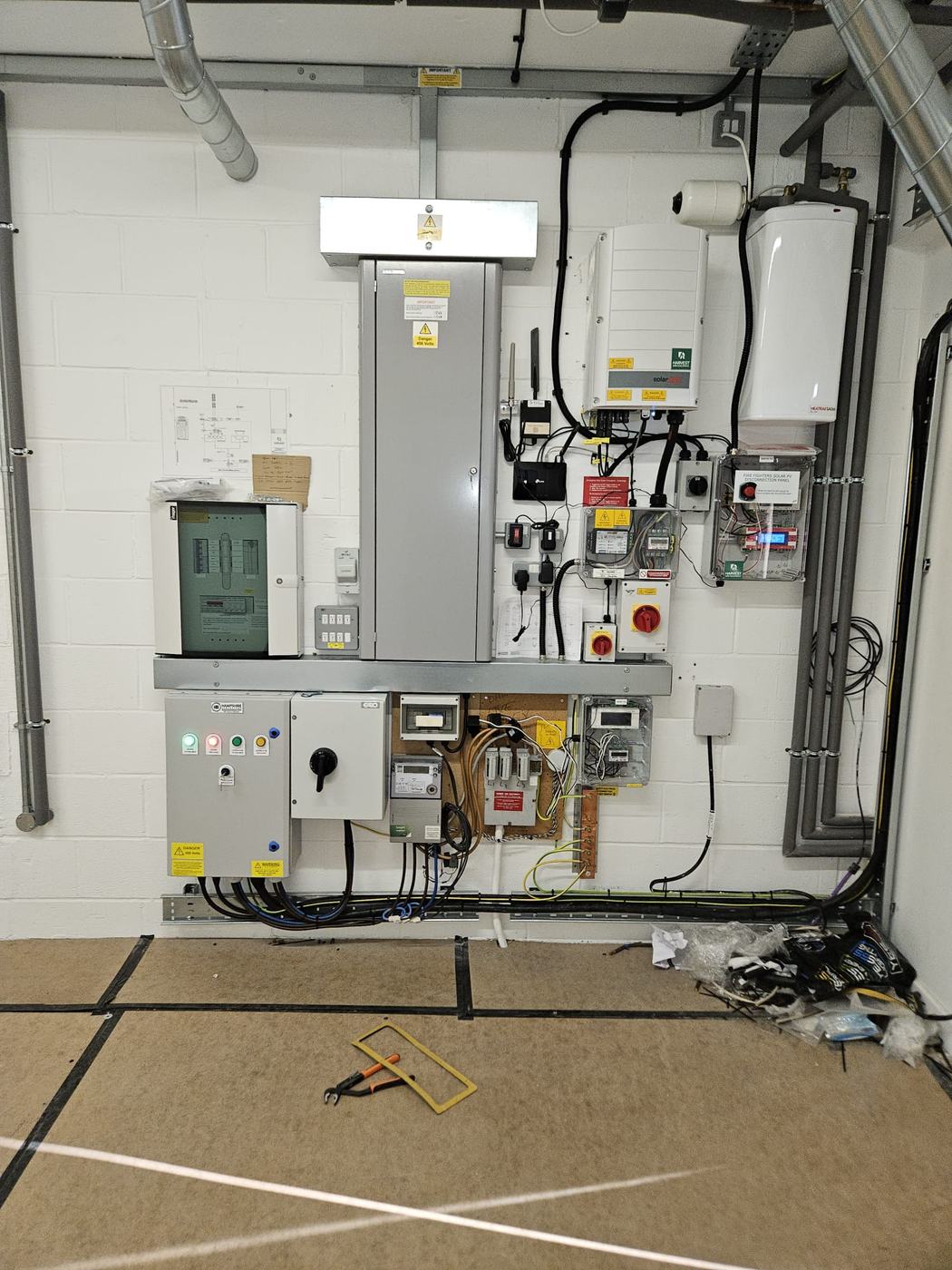
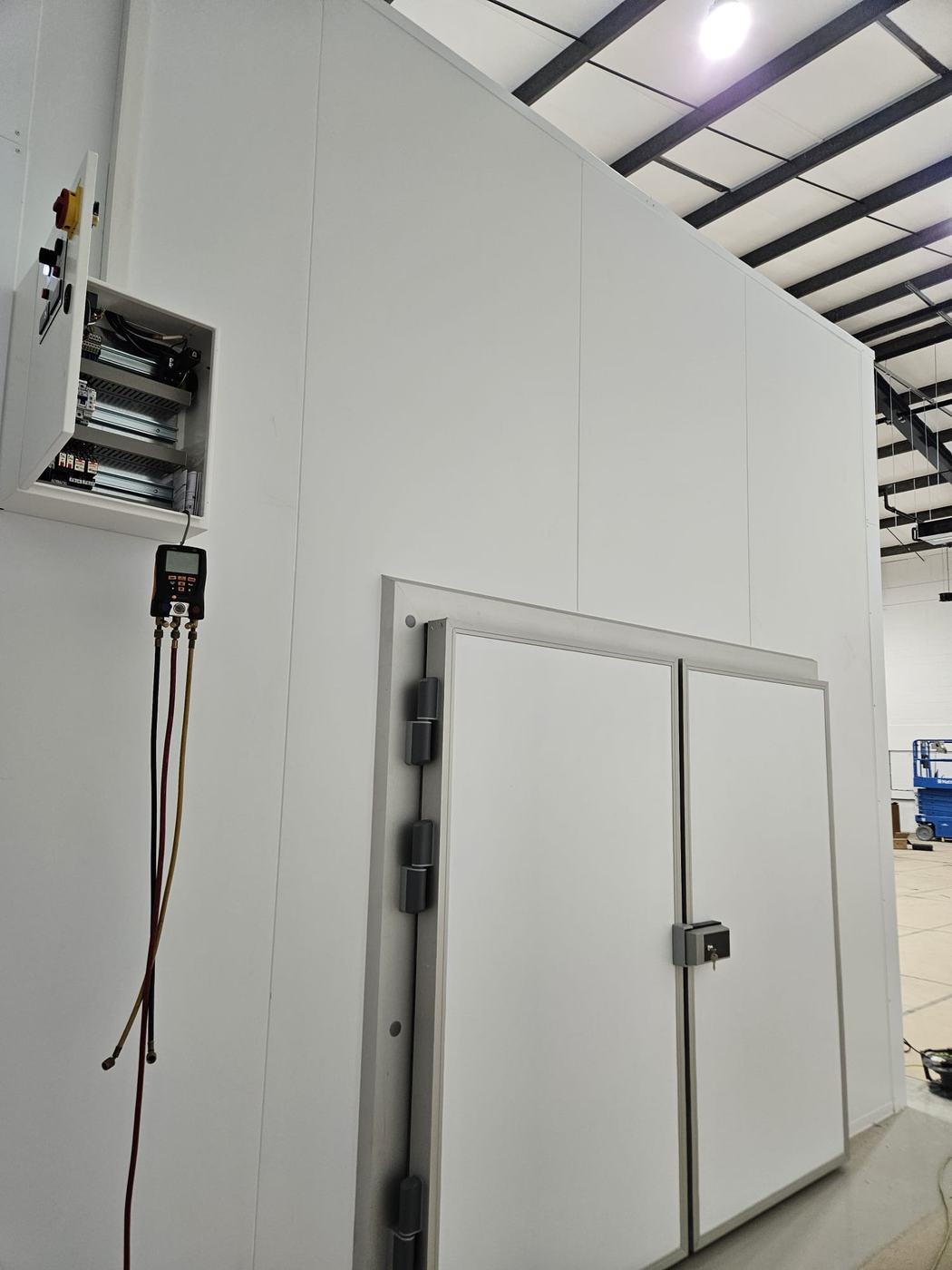
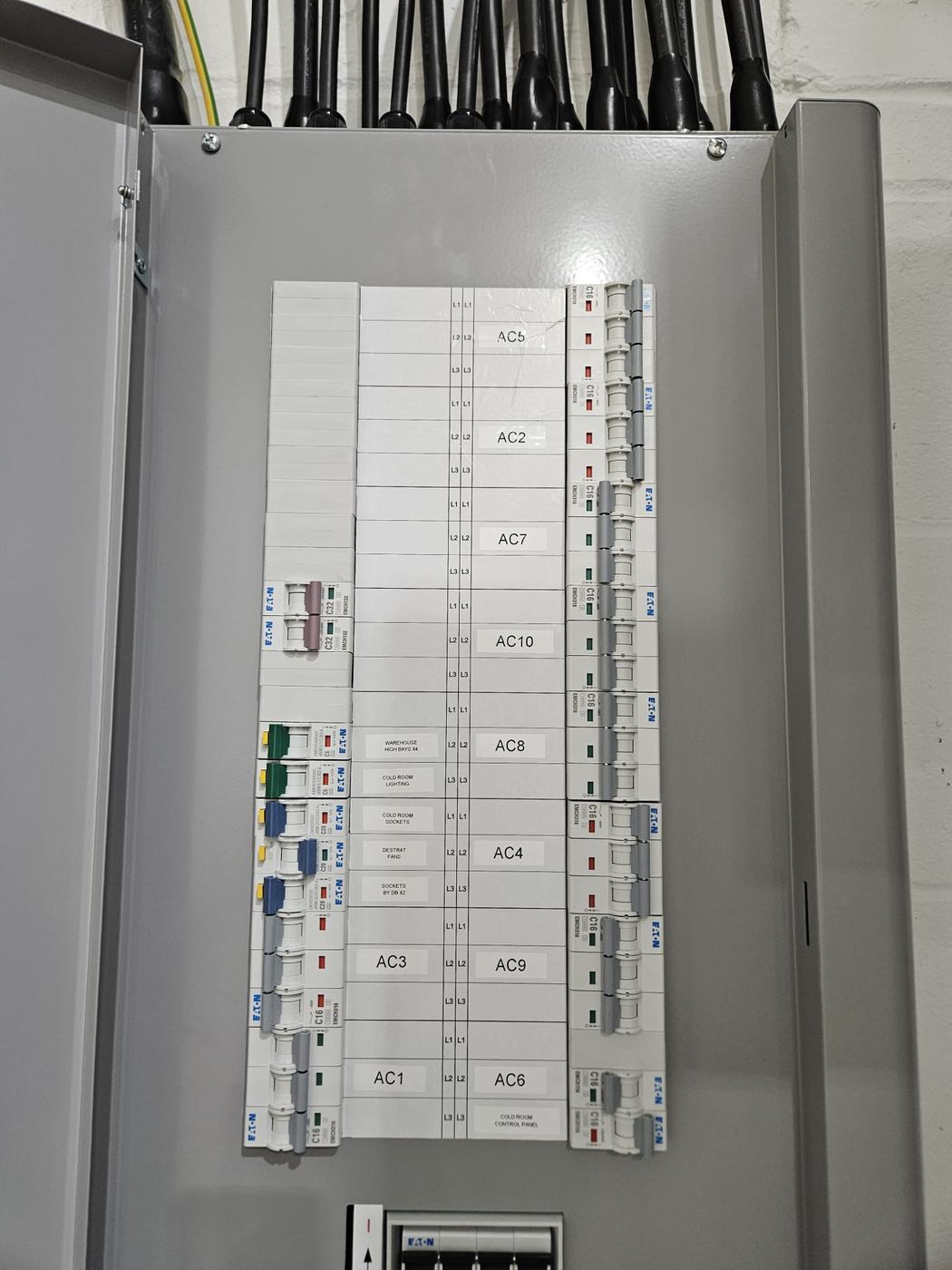
On a recent warehouse fit-out in Brentford for a pharmaceutical client, we connected a standby generator with changeover so the cooling for temperature-controlled stock keeps running in a power cut. See the warehouse project. For homes, read our home standby generator guide.
Which set-up do you need?
The right arrangement depends on how often you lose power, what you need to keep running and whether someone will be there to switch over.
| Set-up | Best for | How it switches over | Good to know |
|---|---|---|---|
| Portable generator with an inlet and manual changeover | Homes and small premises with occasional cuts | You start the generator, plug it into the inlet and move the changeover switch | The lowest cost option. The generator lives in a garage or shed until it is needed |
| Permanent standby generator with manual changeover | Rural homes, farms and workshops with regular or long cuts | You start the generator and move the changeover switch | A fixed set on a base, often LPG or diesel, so there is no fuel to carry |
| Permanent standby generator with an automatic transfer switch | Businesses, cold rooms, servers and homes that cannot be without power | The switch senses the cut, starts the generator and changes over by itself, then switches back | The right choice where nobody may be there when the power goes |
| Generator inlet for hired generators | Businesses planning shutdowns or works on the supply | The hire company connects to the inlet and you change over | Saves temporary cabling through doors and windows every time |
We look at your property and what you need to keep running before recommending a set-up and generator size.
Accredited and approved.
NICEIC Approved Contractor (registration no. 609893000), SafeContractor approved, and ECS-carded electricians on every job.



How it works.
Get in touch
Tell us what you need by phone, email or the form. A few details is plenty.
Survey and quote
We see the job before we price it, then put a clear quote in writing.
Tidy installation
Work planned around your home or site, with everything left clean.
Test and certify
Every circuit and cable tested, with the certificates handed over.
Standby generators and changeover switches near you.
Based in Dartford, we carry out standby generators and changeover switches across Kent, London and south Essex.
What customers say
“Tony installed a back up generator for our family business to help us in the case of any power outages and we were really impressed with the work! Service was reliable, professional and friendly!”
★★★★★ Iona M., standby generator for a family business, Google review
Rated 5.0 from 47 Google reviews. Read them all on Google.
Questions about standby generators.
Do you connect generators for homes?
Yes. We fit inlets, changeover switches and essential circuit boards for homes and garden offices, including LPG generators. See home standby generators.
Can I just plug a generator into a socket?
No. Back feeding a building through a socket is dangerous to you and to people working on the network. A proper inlet and changeover switch is needed.
Manual or automatic changeover?
Manual changeover is simpler and suits places where someone is usually there. Automatic changeover makes the switch over without anyone needing to act, which suits businesses and critical systems.
What size generator do I need?
It depends on what you want to run. We add up the loads on the circuits you want to keep, allow for things like pumps and compressors that draw more power when they start, and recommend a size. Running essential circuits only usually means a much smaller generator than powering everything.
Petrol, diesel or LPG?
Petrol suits a small portable generator used now and then. Diesel suits larger permanent sets. LPG suits homes already on an LPG supply, as the fuel does not go stale and there is nothing to carry.
Do I need to tell the network operator?
A standby generator that can never run alongside the mains, because a changeover switch keeps them apart, does not normally need the network operator's approval. Generators designed to run in parallel with the mains do. We tell you which applies to your set-up.
How much does a generator connection cost?
It depends on the set-up, the cable run and whether essential circuits need moving to their own board, so we quote after a survey. Our standard rate is £60 + VAT per hour. See our guide prices.
Do you supply generators?
We focus on the electrical connection, changeover and earthing. We can recommend a suitable generator or work with your supplier or hire company to get the right unit.
Pharmaceutical warehouse fit-out, Brentford.
A full electrical fit-out of an empty warehouse in Brentford for a pharmaceutical client, with power for temperature-controlled storage and standby generation. See the full project.
Related services.
Warehouse and industrial unit electrics
From an empty shell to a fully certified building. Incoming supplies, distribution, high bay lighting, power for cooling and standby generation, planned and installed by one team.
Consumer unit replacement
Replace an old fuse box with a modern consumer unit, with the RCD and surge protection current regulations expect. Usually done in a day.
Commercial electrical installation
Distribution, containment, small power, lighting and controls for offices, schools, warehouses and fit-outs. Planned with your data from day one.

Tell us about the job.
A few details is plenty. We will come back to you to arrange a visit and a written quote.