
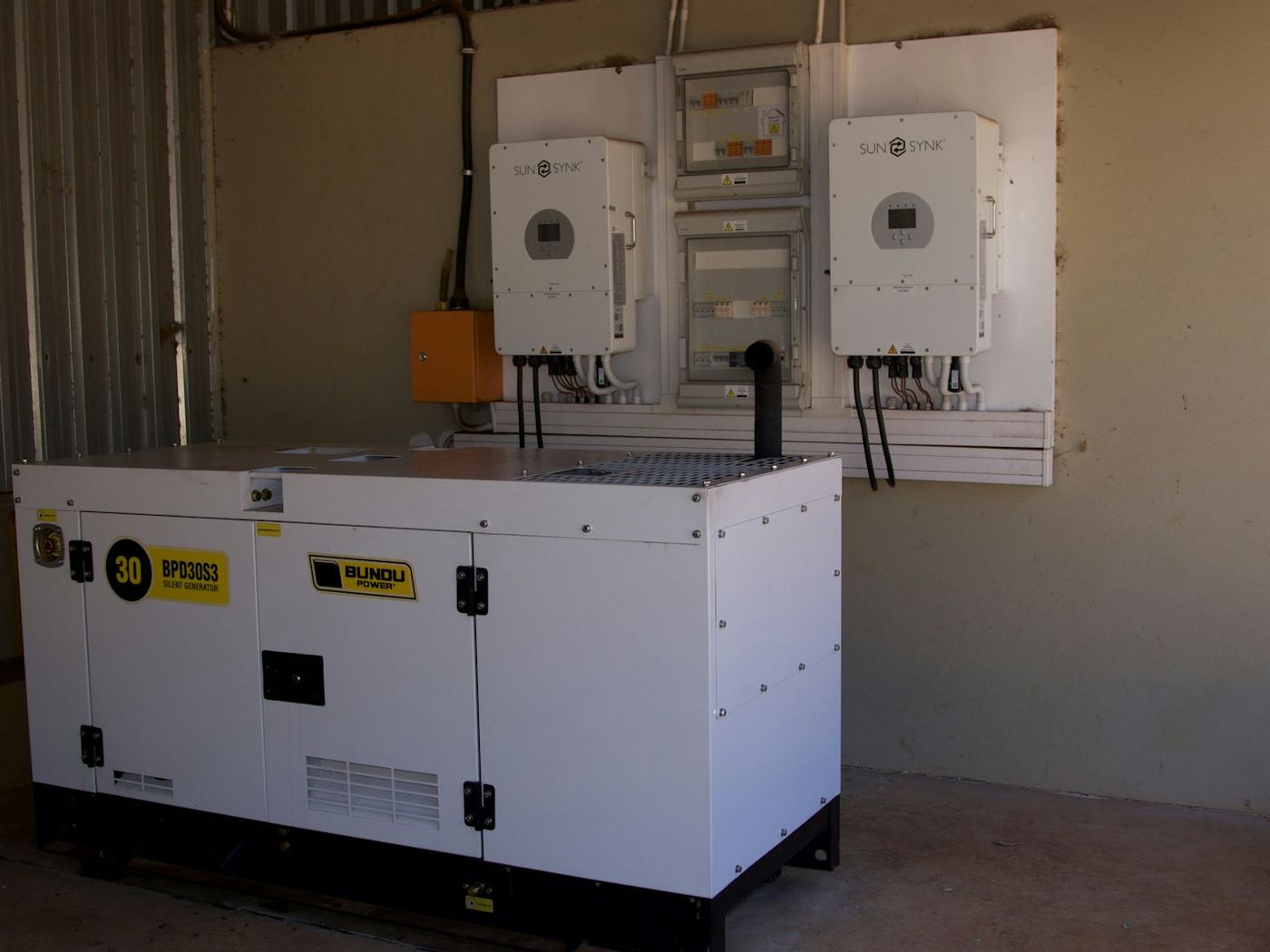
Home standby generators, explained.
Power cuts in rural Kent can last hours. A standby generator keeps the heating, freezer and Wi-Fi running, but only if it is connected properly. Here is what to know before you buy one, especially if your home already runs on LPG.
Why more homes are adding a generator
Most homes never need one. But in villages and on the edge of towns, where overhead lines bring down the power in every storm, a few long outages a year soon add up. Without power, oil and LPG boilers stop because their pumps and controls need electricity, freezers start to thaw, sump pumps stop, and working from home ends when the router goes off.
A standby generator keeps the essentials running until the mains comes back. The generator itself is only half the job. The other half is the changeover switch and wiring that connect it to your home safely.
Portable generator with an inlet, or a permanent standby set
There are two common set-ups. The simpler one is a portable petrol or diesel generator that you wheel out when the power goes, plug into a weatherproof inlet on the outside wall, and switch over by hand at a changeover switch inside. It is lower cost and works well when someone is at home to start it.
The other is a permanent standby generator, fixed outside on a firm base and fuelled by LPG, mains gas or diesel. Paired with an automatic transfer switch, it senses the power cut, starts itself, takes over the load and hands back to the mains when it returns, with nobody needing to do anything.
- Portable with inlet: lower cost, manual start and switchover, petrol or diesel to store
- Permanent with automatic changeover: starts on its own, ideal if you are often away or need the power without a break in supply of more than a few seconds
- Permanent with manual changeover: a middle ground, fixed in place but switched over by hand
Running a generator on LPG
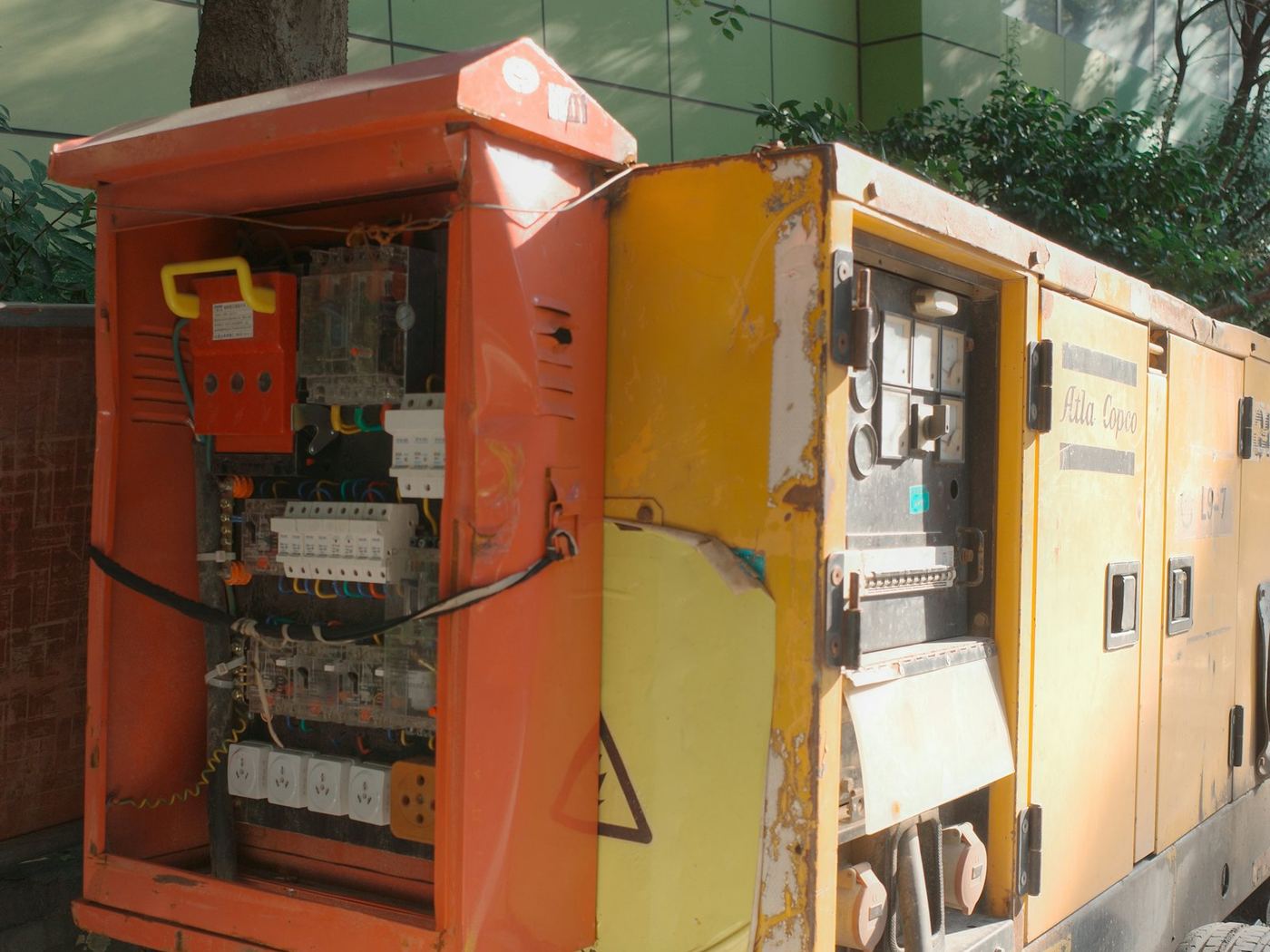
If your home is already on LPG, a gas-fuelled standby generator can run from the same supply, whether that is a bulk tank or a bank of cylinders. LPG keeps in storage far better than petrol, which goes stale, so the generator is ready to start even after months unused.
The gas connection is separate from the electrical work and must be made by a Gas Safe registered engineer qualified for LPG. Your LPG supplier may also need to confirm the tank, regulator and pipework can supply the generator alongside your boiler and cooker. A generator uses a fair amount of gas during a long outage, so keeping the tank topped up through winter matters.
The changeover switch, and why it is not optional
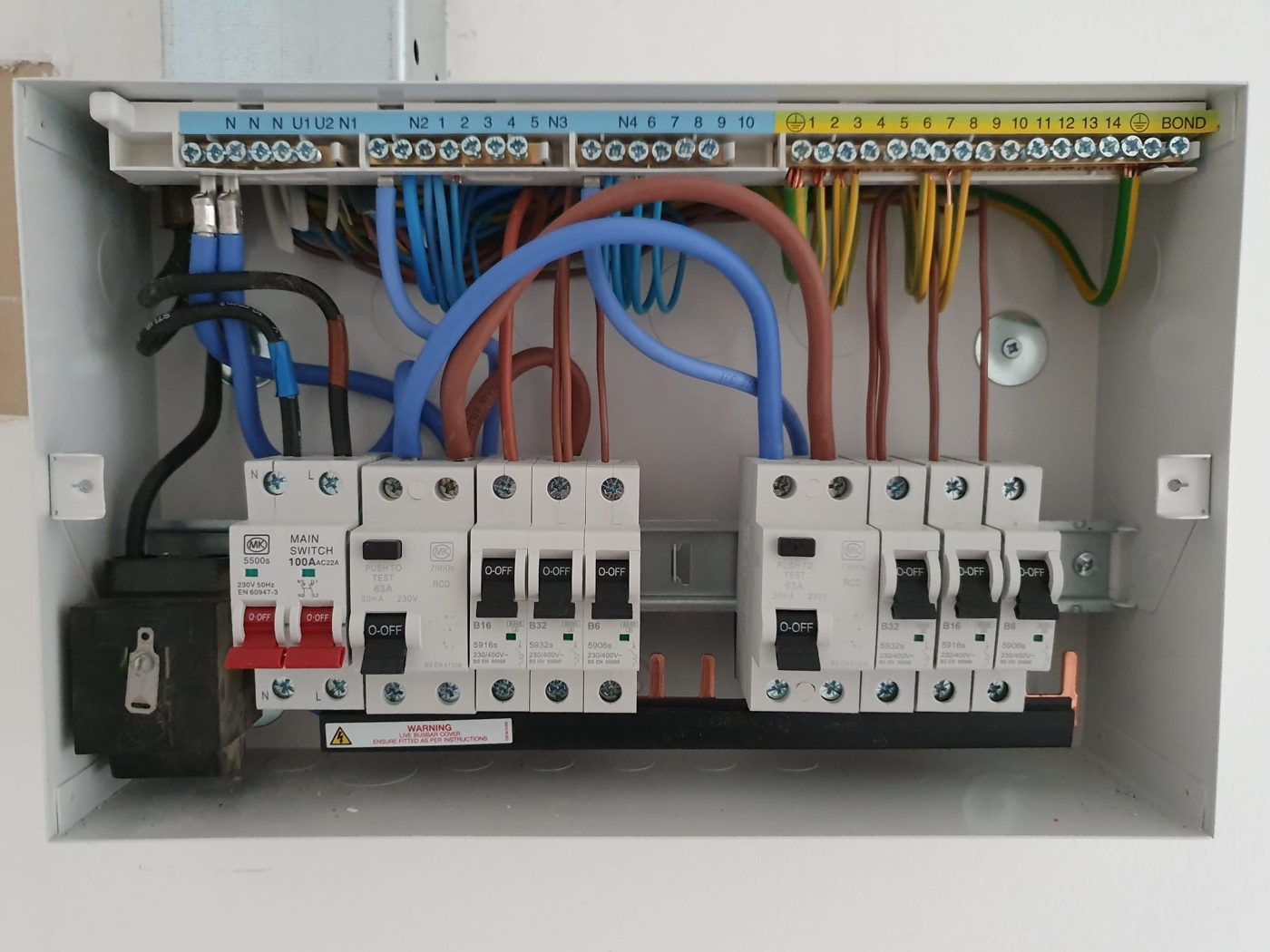
A changeover switch disconnects your home from the mains before connecting it to the generator, known as break before make. Without it, the generator can feed power back out into the network. That puts engineers working on what they think is a dead line at serious risk, and can wreck the generator when the mains comes back on.
Plugging a generator into a socket with a double-ended lead is never safe, however common the advice online. The only safe way to run your home from a generator is through a properly rated changeover switch, installed by an electrician.
Earthing: the part people miss
Most homes have a PME earth, provided by the network through the same cable as the supply. When your house runs from a generator, it is disconnected from that cable, so it needs an earth of its own. That usually means an earth electrode at the generator or the house, a changeover that switches the neutral as well as the live conductors, and RCD protection on the generator side.
Getting this right depends on your supply type and the generator, so it should be designed by an electrician rather than taken from a generator manual. It is also why a quote for a generator connection should always include a look at your earthing.
Essential circuits or the whole house
You can back up the whole house or just the essentials. Essential circuits are usually split onto a small separate board fed through the changeover, so the generator only carries what really matters. This keeps the generator smaller, quieter and cheaper to run.
- Boiler, heating controls and pumps
- Fridges and freezers
- Lighting in the main rooms
- Router, a home office and a few sockets
- Sump pumps, well pumps or septic tank pumps
- Security alarm, gates and CCTV
Big loads to think twice about
Electric showers, ovens, immersion heaters, heat pumps and EV chargers all draw large currents. Backing them up needs a much bigger generator. Most homes leave them off the essential circuits, or add load management so they cannot all run at once. Motors such as pumps and compressors also draw a surge when they start, which needs allowing for when the generator is sized. A short survey of your circuits is the reliable way to choose the right size.
Siting, noise and paperwork
A permanent generator needs a firm, level base outdoors, with the clearances from windows, doors, vents and boundaries that the manufacturer and, for LPG, the gas regulations require. Think about noise for you and your neighbours, and check with the council before installing one at a listed building, in a conservation area or close to a boundary.
Connecting a generator normally means a new circuit and a changeover at your consumer unit, which is notifiable work under Part P of the Building Regulations in England. An NICEIC approved contractor can self-certify it and issue an Electrical Installation Certificate. A standard break before make changeover never runs in parallel with the mains, so it does not need the network operator approval that grid-connected systems such as solar do.
Handover and upkeep
At handover you should get a test run under load, clear labels at the consumer unit and changeover switch, and simple written instructions for switching over and back. After that, run the generator regularly, ideally with some load on it. Many automatic standby units exercise themselves weekly. Have it serviced once a year, and check the fuel, battery and changeover operation before each winter.
Common questions
Can a generator run my whole house?
Yes, if it is big enough, but most homes back up essential circuits only. It keeps the generator smaller and quieter, and leaves high-power items such as electric showers and EV chargers off the generator.
Can I run a standby generator from my LPG tank?
Usually, yes. The gas connection must be made by a Gas Safe registered LPG engineer, and your supplier may need to confirm the tank and regulator can supply it alongside your boiler.
Do I need an automatic changeover switch?
Not always. A manual changeover is fine if someone is usually home to start the generator and switch over. An automatic transfer switch suits homes that are often empty or need power back within seconds.
Can I just plug a generator into a socket?
No. Backfeeding through a socket is dangerous to you and to network engineers. A generator must be connected through a changeover switch installed by an electrician.
Does a generator connection need certifying?
Yes. Adding a changeover and new circuits is notifiable under Part P in England. We self-certify the work as an NICEIC Approved Contractor and give you an Electrical Installation Certificate.
This guide is general information for properties in England and is not a substitute for an inspection by a qualified electrician.
More guides.
Business, 6 min readGenerator changeover switches for businesses
A power cut can stop trading, spoil stock and take your systems offline. Here is how a generator changeover switch lets you keep running safely, and what needs considering before one is fitted.
Read the guide Home, 5 min read
Do I need a new consumer unit?
Your consumer unit protects every circuit in your home. Here is how to tell whether yours is due an upgrade, and what a modern one does differently.
Read the guide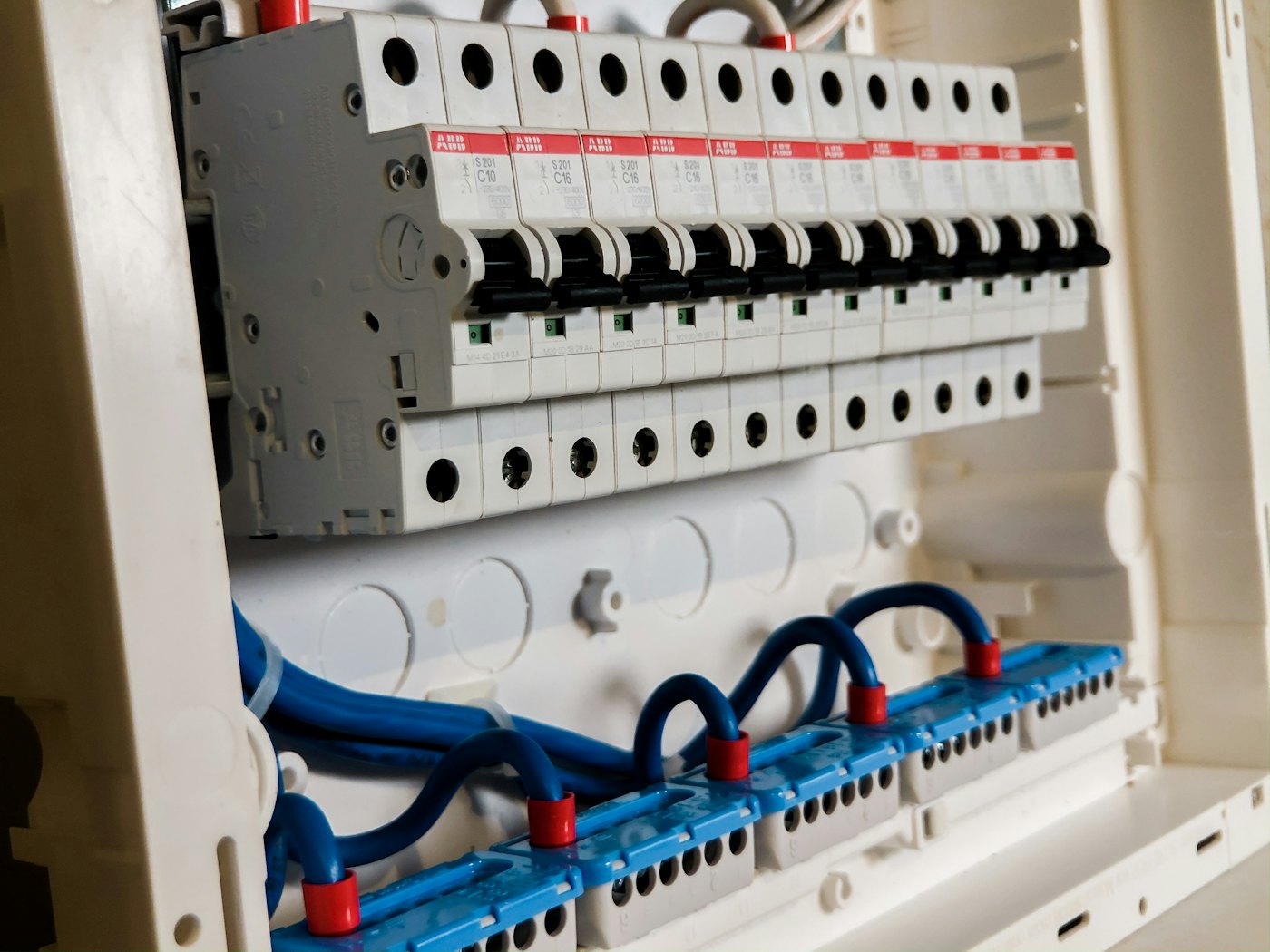 Home, 6 min read
Why does my RCD keep tripping?
An RCD that trips is protecting you. Here is what it is telling you, how to narrow down the cause safely, and when it is time to call an electrician.
Read the guideAll guides
Browse every guide and our free EICR due date checker.

Tell us about the job.
A few details is plenty. We will come back to you to arrange a visit and a written quote.