
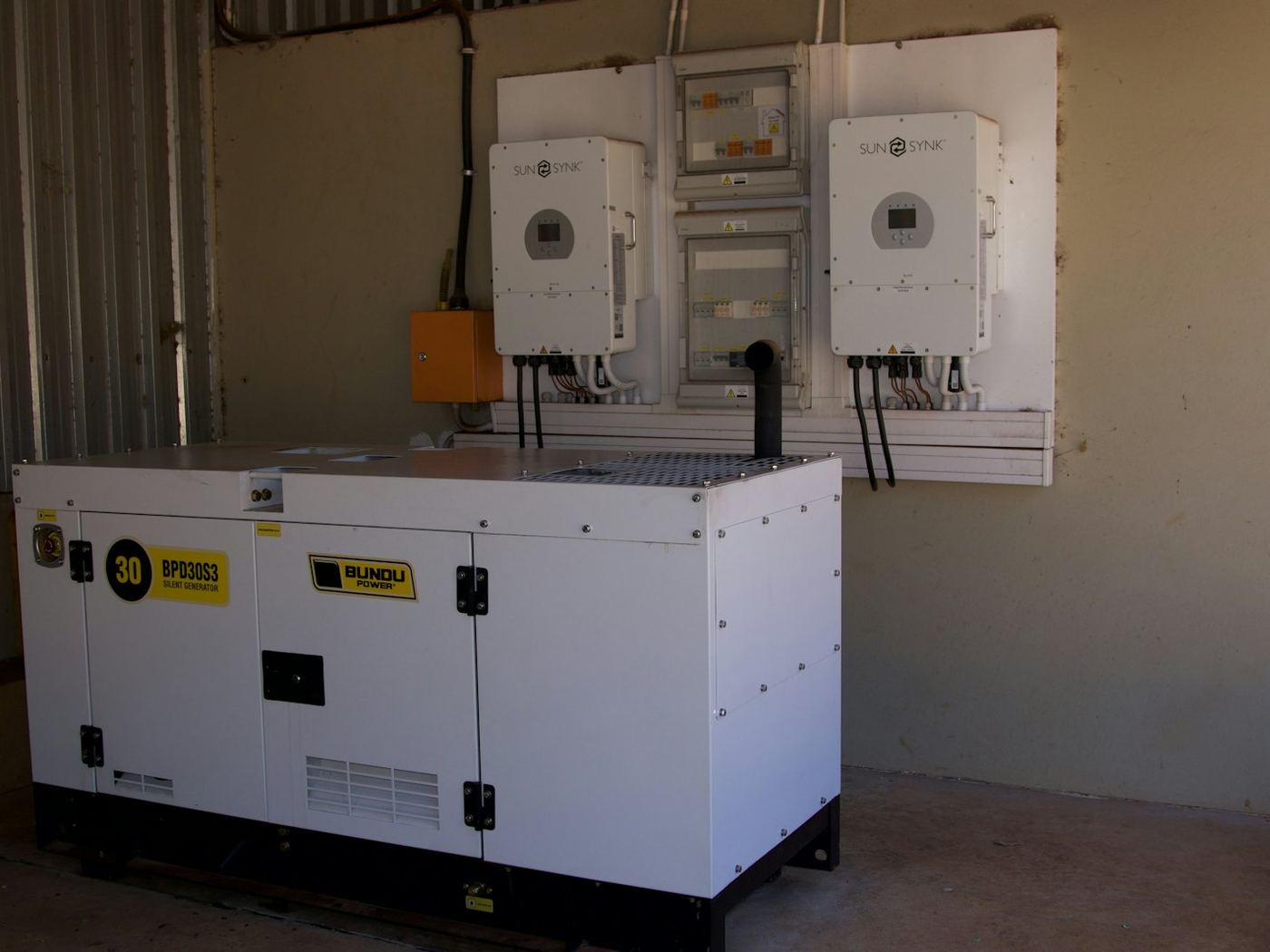
Generator changeover switches for businesses.
A power cut can stop trading, spoil stock and take your systems offline. Here is how a generator changeover switch lets you keep running safely, and what needs considering before one is fitted.
Why businesses need backup power
Most power cuts are short, but even a few hours without power can be costly. Servers and network equipment go offline, refrigerated stock starts to warm, tills and card machines stop working, and security systems, access control and CCTV may lose power once their batteries run down.
A generator, whether permanently installed or hired in when needed, can keep the essentials running. The changeover switch is what connects it to your building safely.
Manual or automatic changeover
A manual changeover switch is operated by hand. When the mains fails, someone starts the generator and moves the switch from mains to generator. It is a simple, reliable option for sites where a short interruption is acceptable and someone is always on hand.
An automatic transfer switch, or ATS, monitors the mains supply. When it fails, it signals a permanently installed generator to start, waits for the generator to stabilise, then transfers the load. When the mains returns, it switches back and lets the generator cool down. An ATS suits sites that are unattended or cannot tolerate more than a brief break.
Why break before make matters
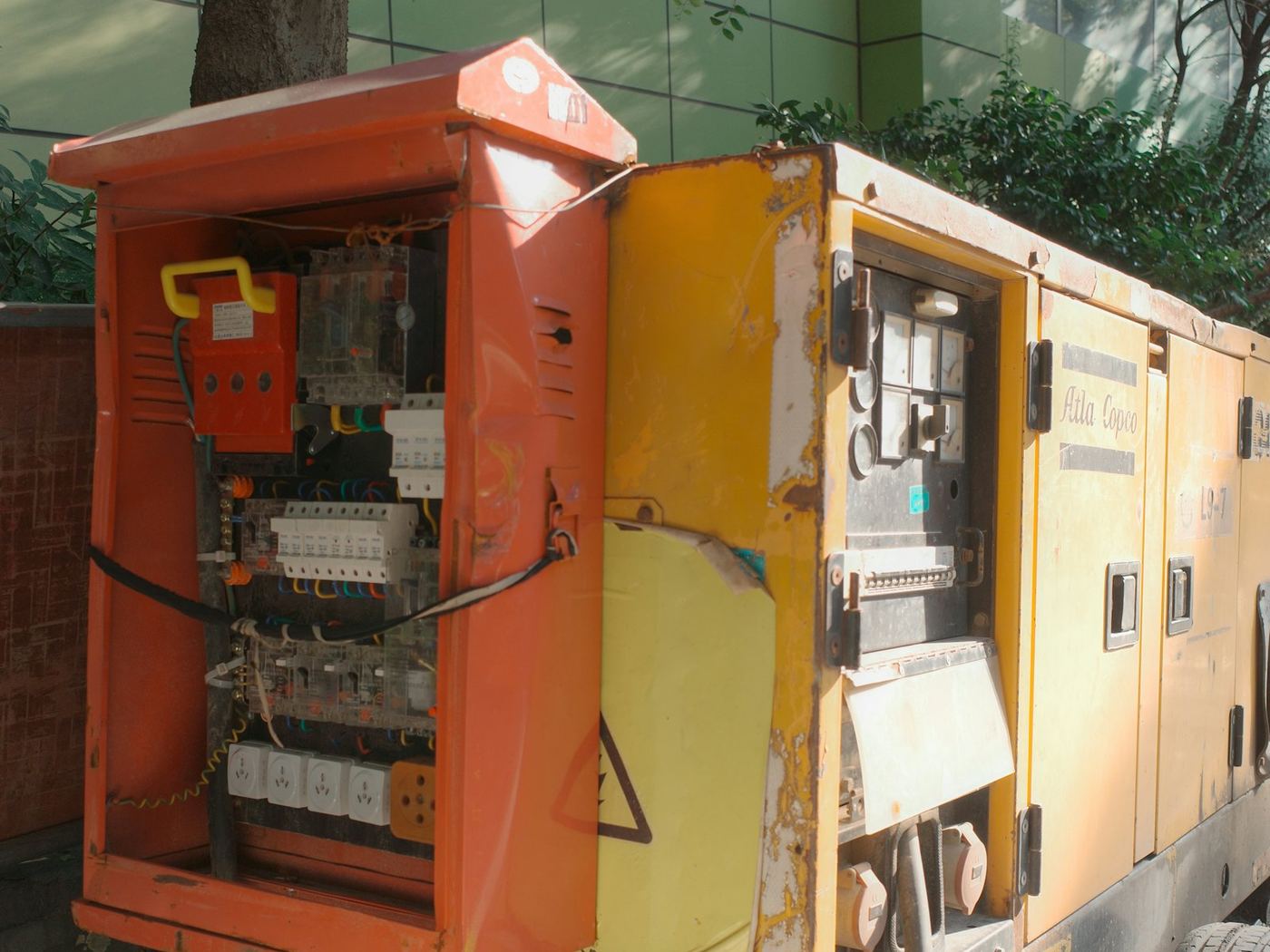
A changeover switch must disconnect the building from the mains before connecting it to the generator, known as break before make. This prevents the generator from feeding power back into the public network.
Backfeeding is extremely dangerous. Network engineers working on what they believe is a dead cable could be exposed to a live supply from your generator. It can also damage the generator and your equipment when the mains returns. Plugging a generator into a socket or wiring it in without proper changeover is never safe.
Generator inlets for hired generators
Not every business needs a permanent generator. A generator inlet point is a weatherproof connection mounted on the outside of the building, wired to a changeover switch inside. When needed, a hired generator is parked outside and plugged in, with no need to open up the electrical installation.
This is a practical option for many sites, as long as the inlet, cable and changeover are rated for the generator you are likely to hire.
- A permanent, rated connection point outside the building
- A changeover switch inside to select mains or generator supply
- Clear labelling and simple operating instructions for staff
- Agreed generator size so the hire company sends the right unit
Earthing and sizing
When a generator supplies your building, it becomes a separate source of supply, and the earthing has to be designed for that. On many supplies, particularly TN-C-S (often called PME), the network's earth should not be relied on when running from a generator. The changeover may need to switch the neutral as well as the live conductors, and an earth electrode is often needed at the generator or the building. The correct arrangement depends on your supply type and should be designed by an electrician.
Sizing comes next. Rather than backing up the whole building, many businesses choose essential loads only, such as servers, network racks, refrigeration, security, emergency lighting and a few sockets. Motors, compressors and some IT equipment draw high starting currents, which need allowing for when choosing the generator.
Testing, run ups and notifying the network
A generator that has not been run for months may not start when you need it. Regular run ups, ideally under load, along with routine servicing, fuel checks and battery checks keep it ready. Testing the changeover switch itself should be part of that routine, and a record should be kept.
If a generator is designed to run in parallel with the mains, even briefly to allow a no break changeover, the local network operator must be involved and the installation is typically assessed under Engineering Recommendation G99. A standard break before make changeover does not run in parallel, but it is always worth confirming with your electrician.
Common questions
Can I connect a generator straight into my distribution board?
No. Without a proper changeover switch, the generator could backfeed the mains, which is dangerous to network engineers and can damage equipment.
Do I need an automatic changeover switch?
Not always. A manual switch is fine where someone is on site and a short break in power is acceptable. An ATS suits unattended sites or critical loads.
What size generator do I need?
It depends on which loads you want to keep running and their starting currents. A survey of your essential circuits is the best way to decide.
Should the generator be combined with a UPS?
Often, yes, for servers and network equipment. A UPS covers the few seconds or minutes before the generator takes the load, so systems do not drop out.
This guide is general information for properties in England and is not a substitute for an inspection by a qualified electrician.
More guides.
 Business, 5 min read
Cat6 vs Cat6a: which should you choose?
Both are common choices for office and commercial networks. Here is how they differ in practice, and how to decide which suits your building.
Read the guide Business, 5 min read
Emergency lighting testing: what you need to do
If you are responsible for a workplace, shop, block of flats or other non domestic building, emergency lighting is part of your fire safety duties. Here is what testing involves.
Read the guide Business, 6 min read
How often does PAT testing need doing?
There is no single legal interval for PAT testing. Here is what the law actually requires, the typical starting points used by most businesses, and how to set a schedule that suits your premises.
Read the guideAll guides
Browse every guide and our free EICR due date checker.
Tell us about the job.
A few details is plenty. We will come back to you to arrange a visit and a written quote.