
Commercial EICRs and fixed wire testing.
Periodic inspection and testing for offices, shops, schools, places of worship and industrial units across Kent, London and south Essex. Planned around your business, with a report you can actually act on.
Keeping your duty of care.
An Electrical Installation Condition Report, or EICR, is a formal inspection and test of a building's fixed wiring: distribution boards, sub-mains, final circuits, protective devices and earthing. It is sometimes called fixed wire testing or periodic inspection, and it is carried out to BS 7671, the UK wiring regulations.
The Electricity at Work Regulations 1989 require employers and anyone in control of premises to maintain electrical systems so they do not cause danger. A current EICR is how most businesses show they are meeting that duty, and insurers, landlords, local authorities and fire risk assessors routinely ask to see one.
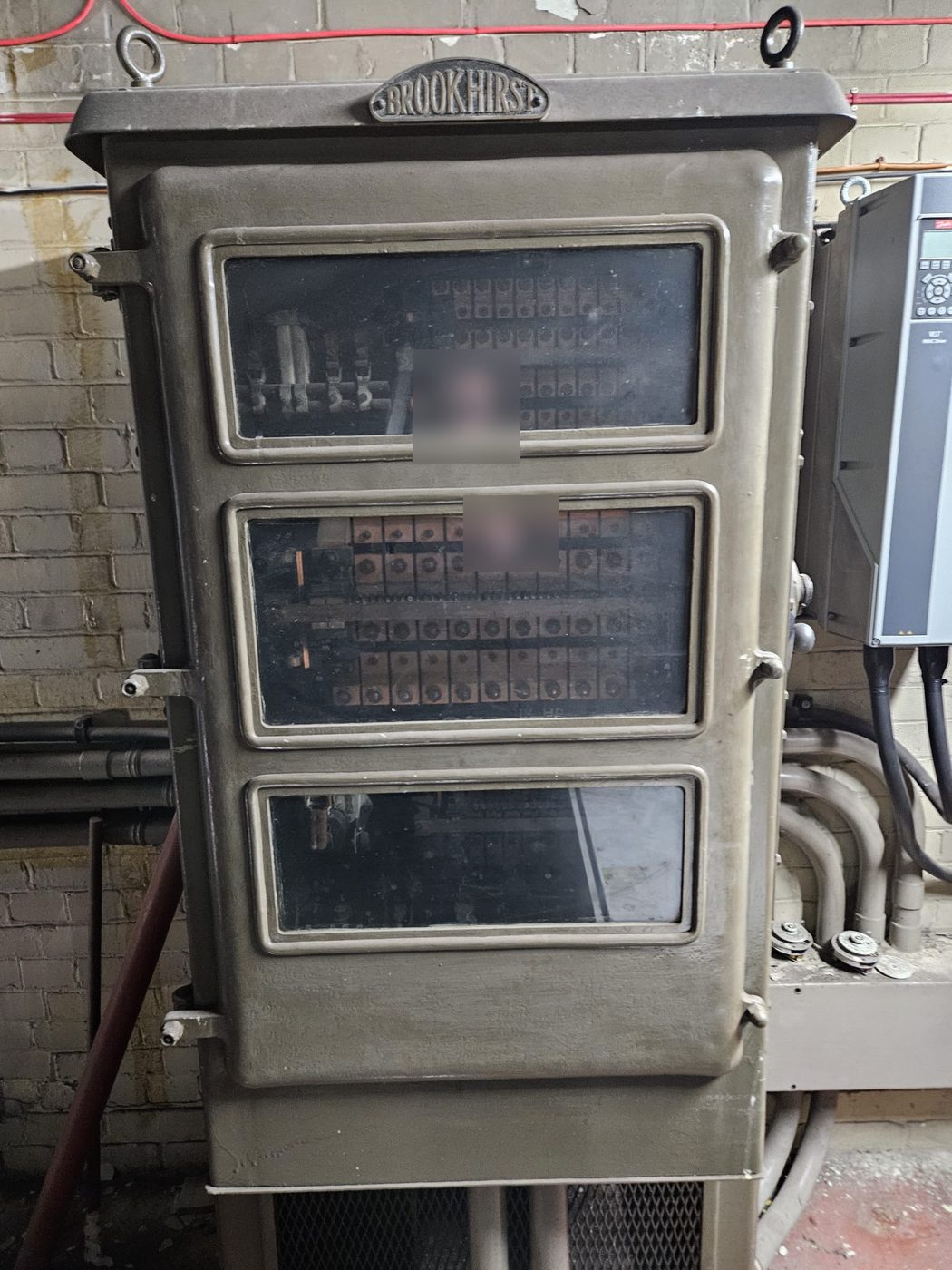
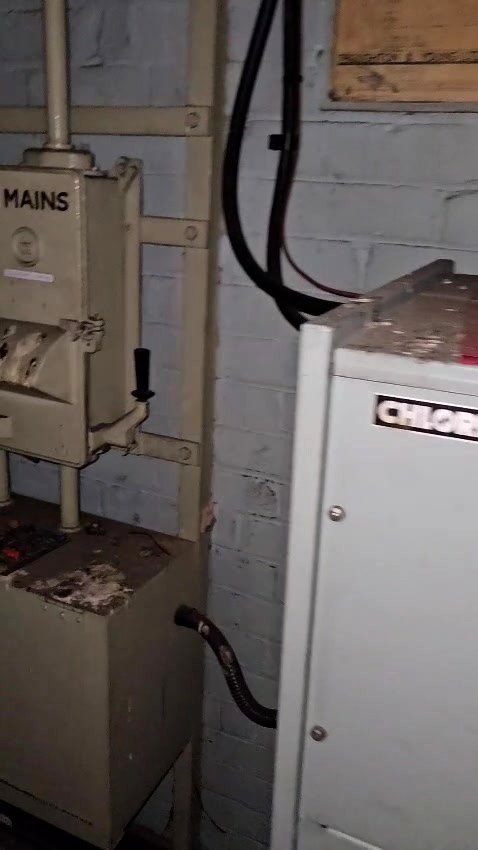
We are an NICEIC Approved Contractor. Our recent commercial inspections include Ruach City Church in Kilburn, housed in the former Gaumont State Cinema from the 1930s, with original switchgear and an old DC switchroom to record alongside the modern installation.
Buildings we inspect
- Offices and business centres
- Shops, cafés and restaurants
- Schools, colleges and nurseries
- Churches and places of worship
- Warehouses and industrial units
- Landlord common areas and blocks of flats
- Multi-site portfolios
What's included.
Planned inspections
Out of hours or phased testing, so your business keeps running.
Every board
Distribution boards, sub-mains and final circuits inspected and tested, with a sample size agreed up front.
Clear reporting
Every observation coded C1, C2, C3 or FI, photographed and explained in plain English.
Remedial work
A clear price for any work needed, carried out on your schedule, then re-tested.
Emergency lighting
Testing at the same visit, with logbooks updated.
Ongoing schedule
Reminders before your next inspection is due, and planned maintenance in between.
Testing without shutting you down.
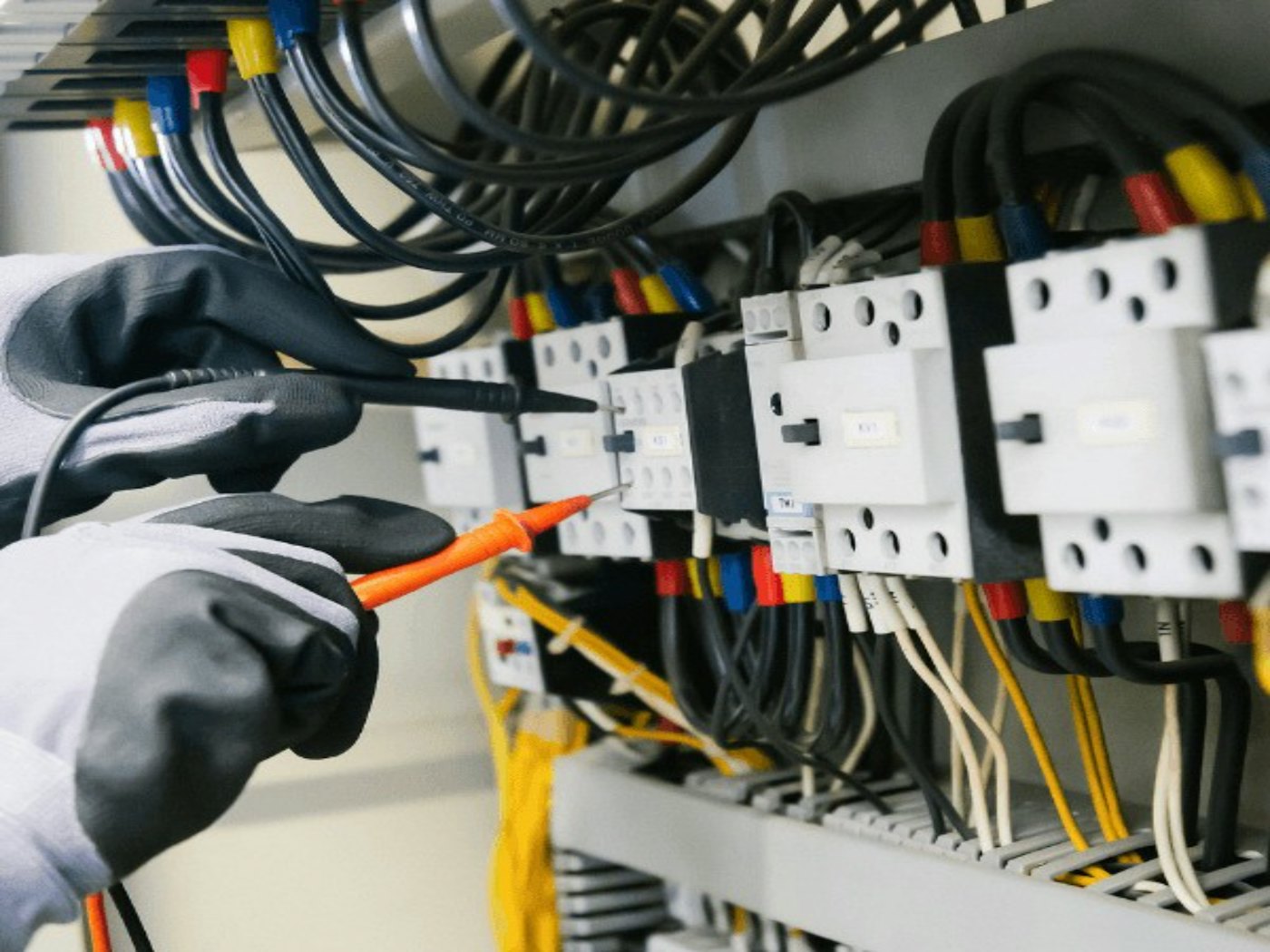
Testing means isolating circuits, so we plan it with you. That might mean working evenings or weekends, testing one floor at a time, or agreeing a short shutdown when it suits you. Servers, tills, freezers and alarms are identified before anything is switched off.
Where we find faults, we prioritise them clearly. Anything dangerous is made safe straight away, and everything else is priced so you can plan it into your budget. You receive the report as a PDF, with a summary page your insurer or landlord can read in a minute.
A cheap EICR can cost more in the end. Reports done in a rush, with too small a sample or codes that are not explained, often get rejected by insurers or need repeating. We agree the scope with you first, so the report you get is the one you need.
How often a commercial EICR is needed.
These are the usual maximum intervals between inspections. Your inspector can recommend a shorter one if the installation is older, heavily used or showing wear.
| Type of premises | Typical maximum interval |
|---|---|
| Offices, shops and banks | 5 years |
| Schools, colleges and universities | 5 years |
| Hotels, restaurants and pubs | 5 years |
| Industrial units and warehouses | 3 years |
| Privately rented homes and HMOs | 5 years, by law in England |
| Swimming pools and caravan parks | 1 year |
| Construction site temporary supplies | 3 months |
Based on IET Guidance Note 3 and, for rented homes, the Electrical Safety Standards in the Private Rented Sector (England) Regulations 2020. A change of use, occupier or tenancy is also a good time for a new report.
Accredited and approved.
NICEIC Approved Contractor (registration no. 609893000), SafeContractor approved, and ECS-carded electricians on every job.


How it works.
Get in touch
Tell us what you need by phone, email or the form. A few details is plenty.
Survey and quote
We see the job before we price it, then put a clear quote in writing.
Tidy installation
Work planned around your home or site, with everything left clean.
Test and certify
Every circuit and cable tested, with the certificates handed over.
Commercial EICRs near you.
Based in Dartford, we carry out commercial EICRs across Kent, London and south Essex.
Questions about commercial EICRs.
How often does a commercial building need an EICR?
Usually every five years for offices, shops and schools, and every three years for industrial premises, but the report will recommend the right interval for your building. See the table above for other types of premises.
What do C1, C2, C3 and FI mean on an EICR?
C1 means danger present, made safe straight away. C2 means potentially dangerous and needing urgent work. C3 means improvement recommended. FI means further investigation is needed. A report with any C1, C2 or FI is unsatisfactory until the work is done. Read our EICR codes guide.
How long does a commercial EICR take?
A small shop or office can often be done in a day. Larger buildings take longer and are usually phased by floor or area. We give you a timetable before we start.
Will you need to turn the power off?
Circuits have to be isolated while they are tested. We plan this with you, out of hours or one area at a time, to keep disruption to a minimum.
Can you test out of hours?
Yes. Evening and weekend testing is common for our commercial clients, especially shops, schools and offices.
Do you do the remedial work as well?
Yes. We price any remedial work separately so you can compare, then carry it out and re-test, so you end up with a satisfactory report.
Do you test emergency lighting at the same time?
We can, and it often makes sense to combine them into one planned visit.
EICR at Ruach City Church, Kilburn.
An Electrical Installation Condition Report for Ruach City Church in Kilburn, a Grade II* listed former 1930s cinema where modern distribution sits alongside original 1930s switchgear. See the full project.

Related services.
Emergency lighting
Emergency lighting that keeps escape routes lit when the power fails. Installation, upgrades and the regular testing your building needs.
Landlord EICRs
The electrical safety report every private landlord in England needs at least every five years. Booked around your tenants, with any remedial work quoted clearly.
Commercial electrical installation
Distribution, containment, small power, lighting and controls for offices, schools, warehouses and fit-outs. Planned with your data from day one.
Tell us about the job.
A few details is plenty. We will come back to you to arrange a visit and a written quote.