
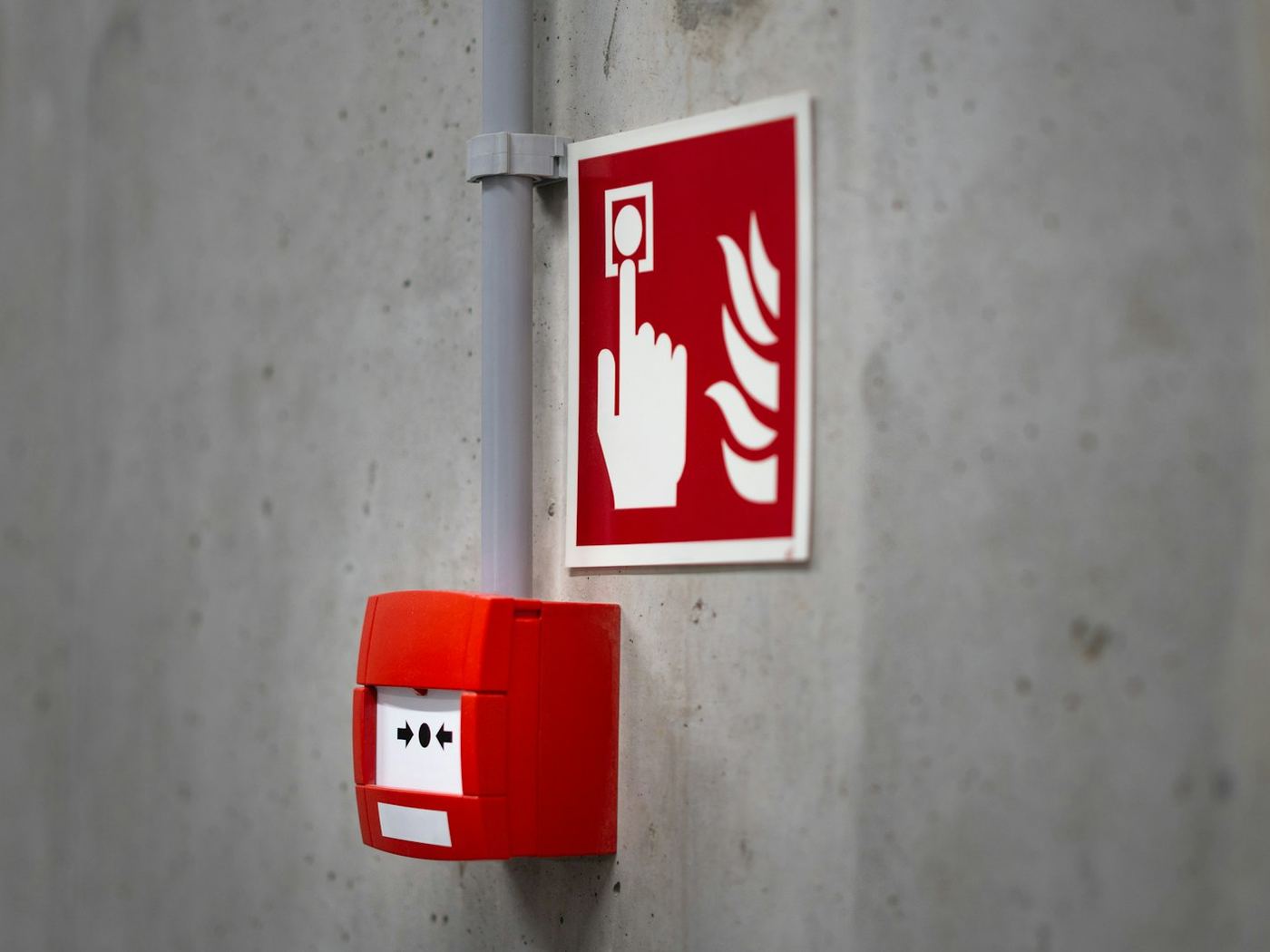
Fire alarm categories explained.
Fire alarm specifications are full of letters and numbers. Here is what L1, M, P2, LD2 and Grade D1 actually mean, and how the right system is chosen for your building.
Two standards, two types of building
Fire alarm design in the UK is guided by two British Standards. BS 5839-1 covers non domestic premises such as offices, shops, factories, schools and the common parts of many larger buildings. BS 5839-6 covers domestic premises, including houses, flats, and many houses in multiple occupation.
Both standards use categories to describe what the system is there to protect, life or property, and how much of the building has detection.
BS 5839-1 categories for non domestic buildings
Categories under BS 5839-1 fall into three groups. M is manual only, L is for protecting life, and P is for protecting property.
- M: manual call points and sounders only, relying on people to raise the alarm
- L1: automatic detection throughout all areas of the building
- L2: detection in escape routes and rooms opening onto them, plus defined higher risk areas
- L3: detection in escape routes and rooms opening onto them
- L4: detection within escape routes only, such as corridors and stairways
- L5: a bespoke system designed to address a specific risk identified in the fire risk assessment
- P1: detection throughout the building to protect property
- P2: detection in defined parts of the building only, such as high risk or high value areas
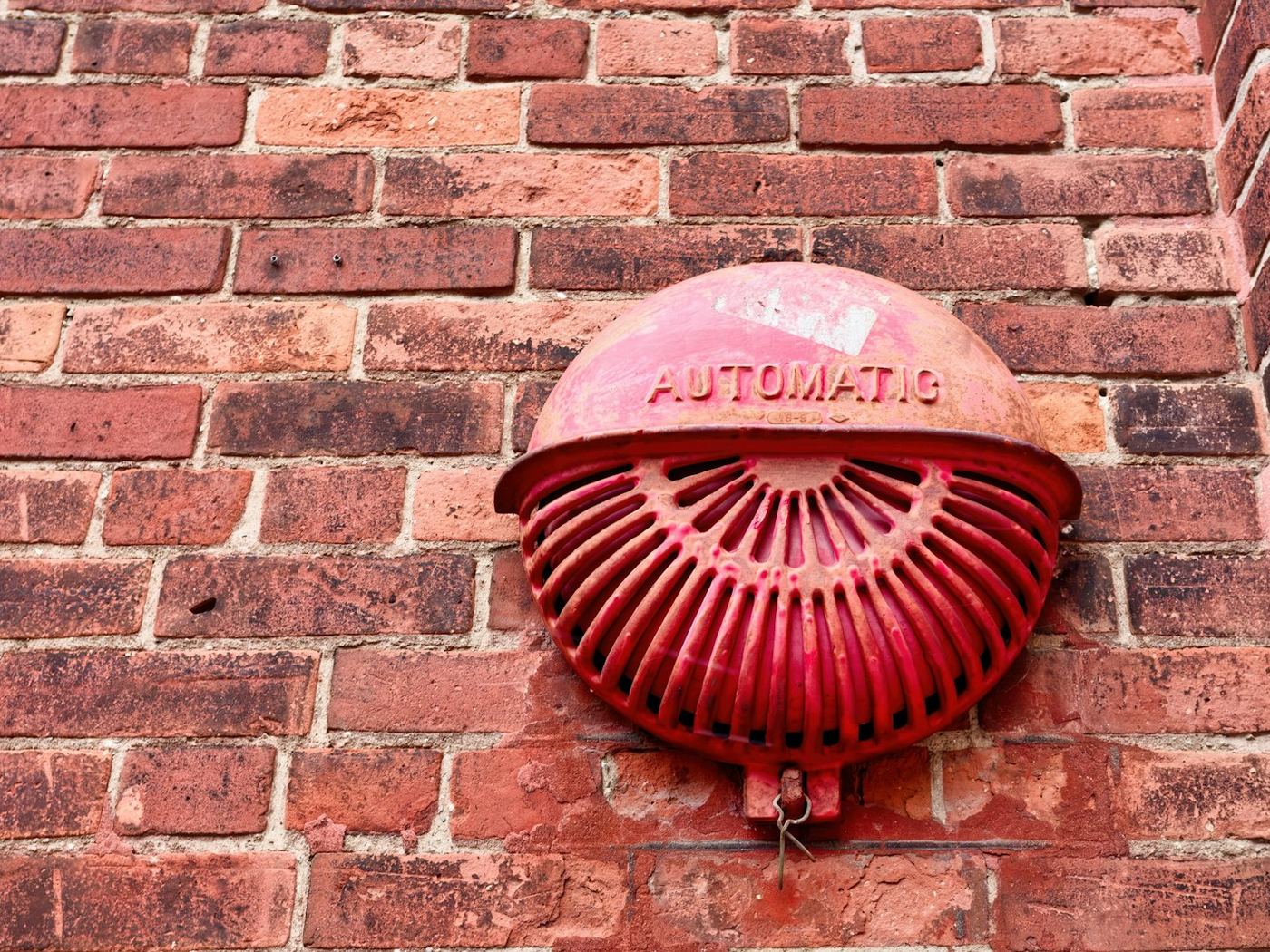
Combining categories
Categories are often combined. A typical office might have an L3 system with manual call points, written as L3/M. A building with valuable stock might combine life and property protection, for example L2/P2. Manual call points are normally included alongside any automatic L category system.
The more detection a system has, the earlier a fire is likely to be found, but also the more devices there are to maintain. The right choice depends on the building, how it is used and who is in it.
BS 5839-6 grades and categories for homes and HMOs
For dwellings, BS 5839-6 uses both a grade, which describes the type of equipment and power supply, and a category, which describes where detection is fitted.
- Grade A: a full system with a control panel and equipment to BS 5839-1, typically for larger HMOs
- Grade C: separate detectors and sounders with a simple central control and standby supply
- Grade D1: mains powered alarms with a tamper proof, built in standby battery
- Grade D2: mains powered alarms with a user replaceable standby battery
- Grade F1 and F2: battery only alarms, with sealed long life or replaceable batteries respectively
- LD1: detection throughout the home, LD2: escape routes plus higher risk rooms, LD3: escape routes only
- PD1 and PD2: detection to protect property, throughout or in defined areas
Who decides which category you need
For non domestic premises and the common parts of blocks and HMOs, the Regulatory Reform (Fire Safety) Order 2005 requires the responsible person to carry out a fire risk assessment. That assessment sets out the level of fire detection needed, and the system should then be designed to meet it.
For homes, Building Regulations and the standard give recommended minimums based on the property type and size. HMO licence conditions and local authority guidance often set specific grades and categories, such as Grade D1 LD2 in many smaller shared houses.

Testing and servicing
BS 5839-1 recommends that a manual call point is tested every week, using a different call point each time in rotation, so that every one is tested over a period. The result should be recorded in the fire alarm logbook.
Systems should also be inspected and serviced by a competent person at intervals typically not exceeding six months. Domestic alarms under BS 5839-6 need regular testing too, usually by pressing the test button, with the frequency depending on the grade of system.
Common questions
What is the most common category for an office?
Many offices use L3 or L2 alongside manual call points, but it depends on the fire risk assessment, the layout and how the building is used.
Do I need a fire alarm in a small shop?
Not always an automatic system. A small, simple premises may only need a manual system or another means of raising the alarm, if the fire risk assessment supports it.
What grade of alarm does an HMO need?
It depends on the size and layout of the property and your council's licensing conditions. Smaller HMOs often need Grade D1 interlinked alarms, while larger ones may need a Grade A system with a panel.
How often should a fire alarm be serviced?
For BS 5839-1 systems, at least every six months is typical, with weekly call point tests recorded in a logbook in between.
This guide is general information for properties in England and is not a substitute for an inspection by a qualified electrician.
More guides.
Business, 5 min readEmergency lighting testing: what you need to do
If you are responsible for a workplace, shop, block of flats or other non domestic building, emergency lighting is part of your fire safety duties. Here is what testing involves.
Read the guide Landlords, 6 min read
Smoke and carbon monoxide alarm rules for landlords
Since October 2022, landlords in England have had clearer duties on smoke and carbon monoxide alarms. Here is what the rules require, where alarms need to go, and when mains wired alarms make sense.
Read the guide Business, 6 min read
How often does PAT testing need doing?
There is no single legal interval for PAT testing. Here is what the law actually requires, the typical starting points used by most businesses, and how to set a schedule that suits your premises.
Read the guideAll guides
Browse every guide and our free EICR due date checker.
Tell us about the job.
A few details is plenty. We will come back to you to arrange a visit and a written quote.