
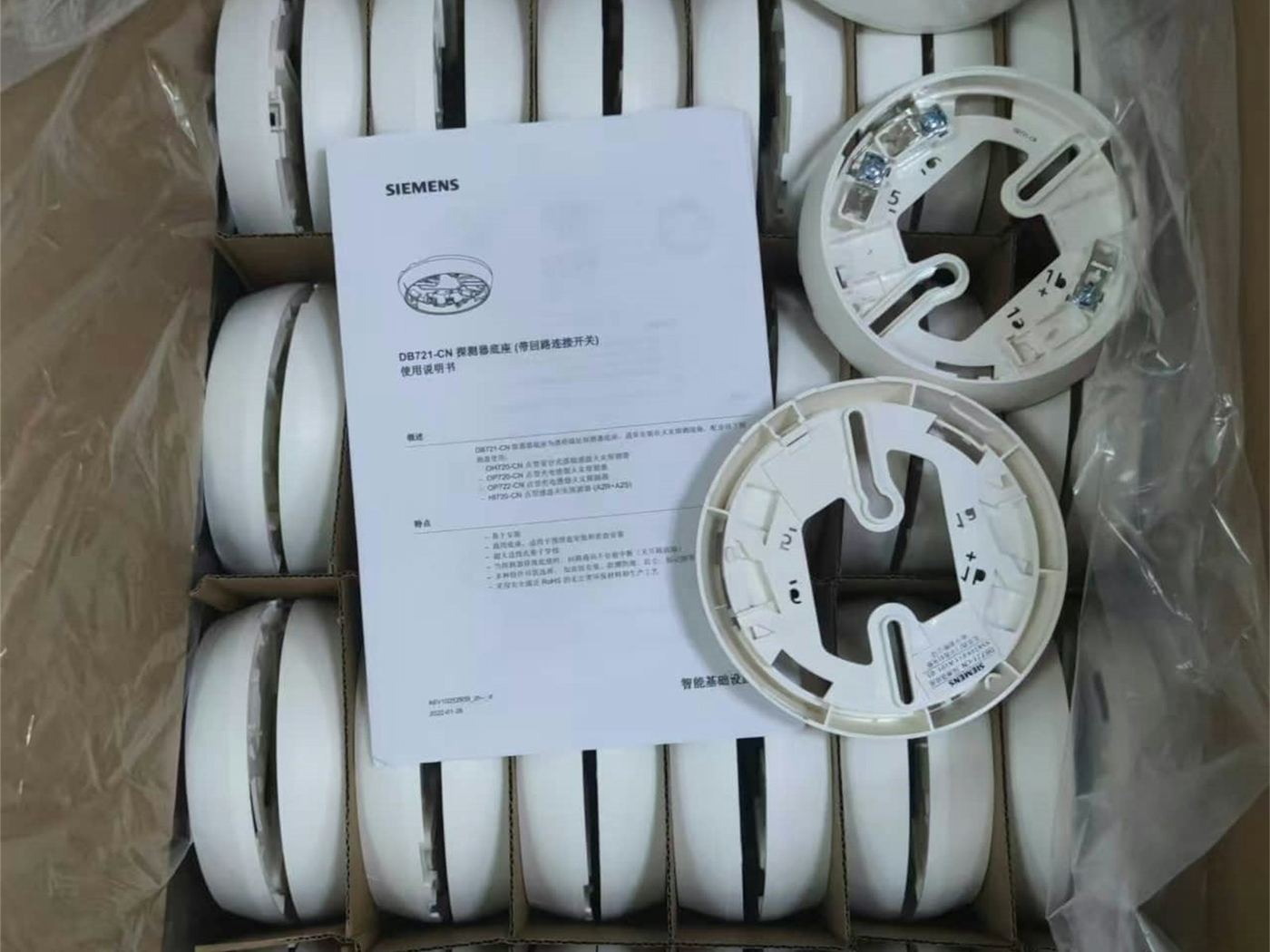
Smoke and carbon monoxide alarm rules for landlords.
Since October 2022, landlords in England have had clearer duties on smoke and carbon monoxide alarms. Here is what the rules require, where alarms need to go, and when mains wired alarms make sense.
The regulations in short
The Smoke and Carbon Monoxide Alarm (Amendment) Regulations 2022 came into force in England on 1 October 2022. They updated the original 2015 rules and extended them to social housing as well as the private rented sector.
The rules apply to most tenancies, including houses in multiple occupation. A few arrangements are excluded, such as lodgers who share the home with their landlord and certain long leases, so check your own situation if you are unsure.
Where alarms must go
The regulations set out two clear requirements, plus duties around checking and repairs.
- At least one smoke alarm on every storey of the home used wholly or partly as living accommodation
- A carbon monoxide alarm in any room used as living accommodation that contains a fixed combustion appliance, such as a gas boiler, wood burner or open fire
- Gas cookers are excluded from the carbon monoxide requirement
- Bathrooms and toilets count as living accommodation for these rules, so a boiler in a bathroom still needs a CO alarm

Checks and repairs
You must make sure each alarm is in working order on the day a new tenancy begins. Pressing the test button and recording the result, ideally with the tenant signing to confirm, is the simplest way to show you have done it.
If a tenant reports that an alarm is faulty, you must repair or replace it as soon as reasonably practicable. During a tenancy, tenants are generally expected to test alarms regularly and report problems, but keeping a record of your own checks gives you good evidence if a question ever arises.
Battery or mains wired alarms?
The regulations themselves do not specify the type of alarm, so sealed long life battery alarms can meet the basic requirement in many homes. However, mains wired, interlinked alarms are best practice. When one alarm detects smoke, every alarm in the property sounds, which gives far more warning, especially on another floor.
In some cases mains wired alarms are effectively required. New builds and properties undergoing material alterations, such as some rewires, loft conversions or extensions, need alarms that meet Building Regulations, which usually means mains powered alarms with a backup battery. HMO licences issued by local councils also commonly include conditions on fire detection, often requiring an interlinked system designed to BS 5839-6.

HMOs
Houses in multiple occupation often need more than the minimum. The fire risk assessment and any licence conditions will set out the level of detection expected, which may include heat detectors in kitchens, detection in each bedroom and alarms in escape routes. Larger HMOs may need a more extensive fire alarm system with a control panel.
If you manage an HMO, check your licence wording carefully and keep test records, as councils frequently ask for them at inspection.
Enforcement and fines
Local councils enforce the rules. If they believe a landlord is in breach, they can serve a remedial notice requiring the alarms to be fitted, repaired or checked within 28 days. If the landlord fails to comply, the council can carry out the work itself and impose a financial penalty of up to £5,000.
Common questions
Do I need a carbon monoxide alarm next to a gas cooker?
Not under these regulations, as gas cookers are excluded. A CO alarm is still a sensible precaution in any home with gas appliances.
Can I use battery smoke alarms in a rental property?
Often, yes, for the basic legal requirement. Sealed ten year battery alarms are a better choice than replaceable battery ones. New builds, major alterations and many HMO licences call for mains wired alarms.
Who is responsible for testing alarms during a tenancy?
The landlord must check alarms work on the first day of each new tenancy and repair or replace them when told they are faulty. Tenants are usually asked to test them regularly and report problems.
Can an electrician fit mains wired alarms during an EICR visit?
Often, yes. It is a common addition alongside EICR remedial work, and fitting them while the electrician is on site can save a separate visit.
This guide is general information for properties in England and is not a substitute for an inspection by a qualified electrician.
More guides.
Landlords, 6 min readLandlord electrical safety rules in England
Private landlords have clear legal duties on electrical safety. Here is what the regulations require, the deadlines that apply, and how to stay on top of them.
Read the guide Testing, 5 min read
EICR codes explained: C1, C2, C3 and FI
An Electrical Installation Condition Report can look like a list of alarming codes. Here is what each one means and what you actually need to do about it.
Read the guide Business, 7 min read
Fire alarm categories explained
Fire alarm specifications are full of letters and numbers. Here is what L1, M, P2, LD2 and Grade D1 actually mean, and how the right system is chosen for your building.
Read the guideAll guides
Browse every guide and our free EICR due date checker.
Tell us about the job.
A few details is plenty. We will come back to you to arrange a visit and a written quote.