
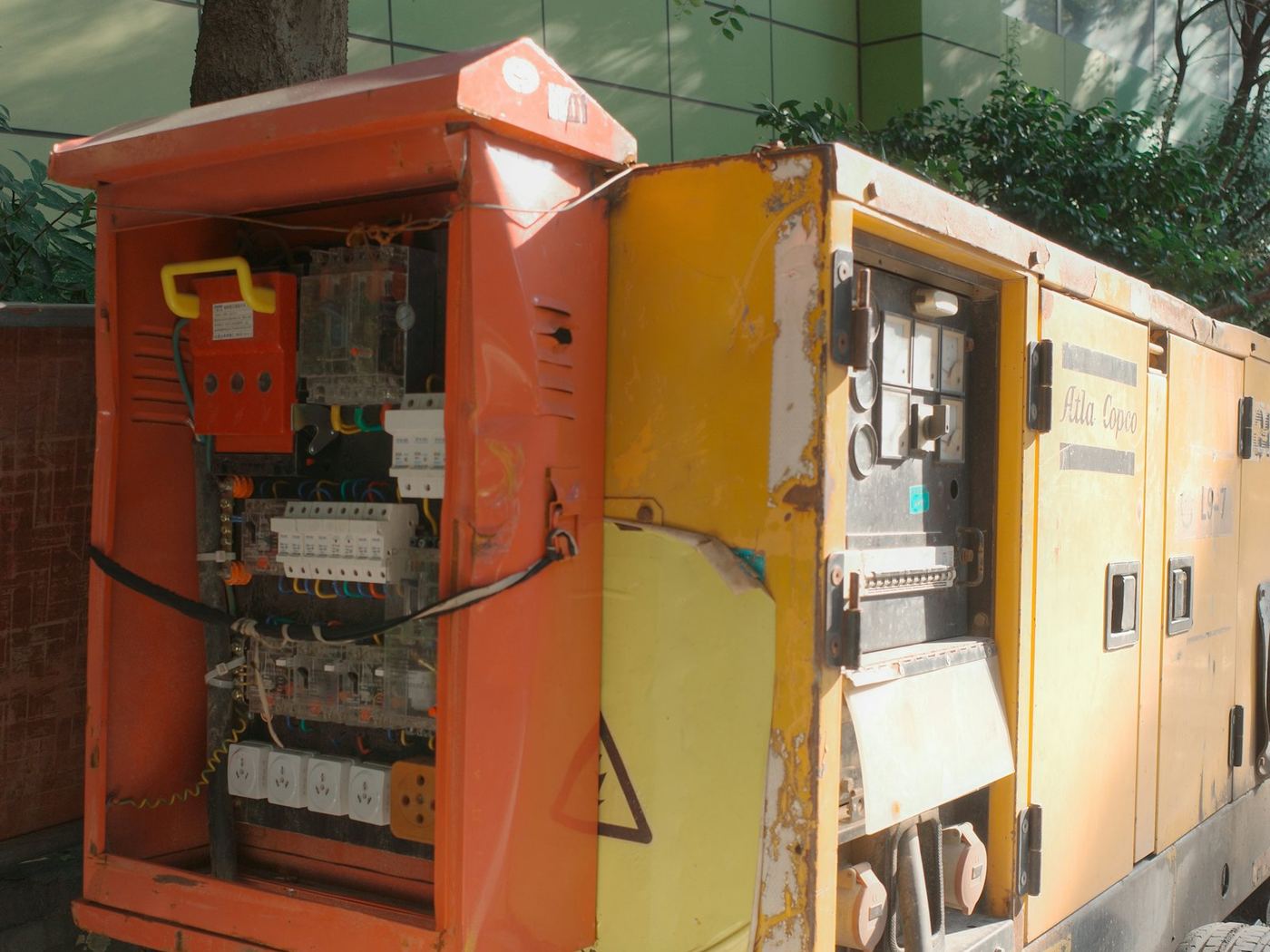
Standby generators for your home.
Keep the heating, lights, fridge, Wi-Fi and your home office running when the power goes off. We fit generator inlets and changeover switches for portable and permanent generators, petrol, diesel or LPG, installed safely and certified to BS 7671.
Ready before the lights go out.
More homeowners are asking us about backup power. The national grid operator expects supplies to stay secure this winter, but local power cuts still happen, usually from storms, falling trees or faults on overhead lines. In rural parts of Kent they can last for hours, sometimes longer.
If you work from home, have a garden office, rely on a well or pump, or simply do not want to sit in the cold and dark, a properly connected generator keeps the essentials running until the mains comes back. The key is connecting it safely, so it can never feed back into the network.
Worth considering if you:
- Work from home or run a garden office or work cabin
- Live in a rural area with overhead power lines
- Have lost power for hours in past storms
- Rely on a pump, freezer or fish tank that cannot stop
- Are on LPG or oil and want heating to keep running
- Already own a generator but have no safe way to connect it
What we install.
Generator inlet
A weatherproof inlet on an outside wall, so a portable generator plugs in quickly and safely, with no leads through windows or doors.
Manual changeover switch
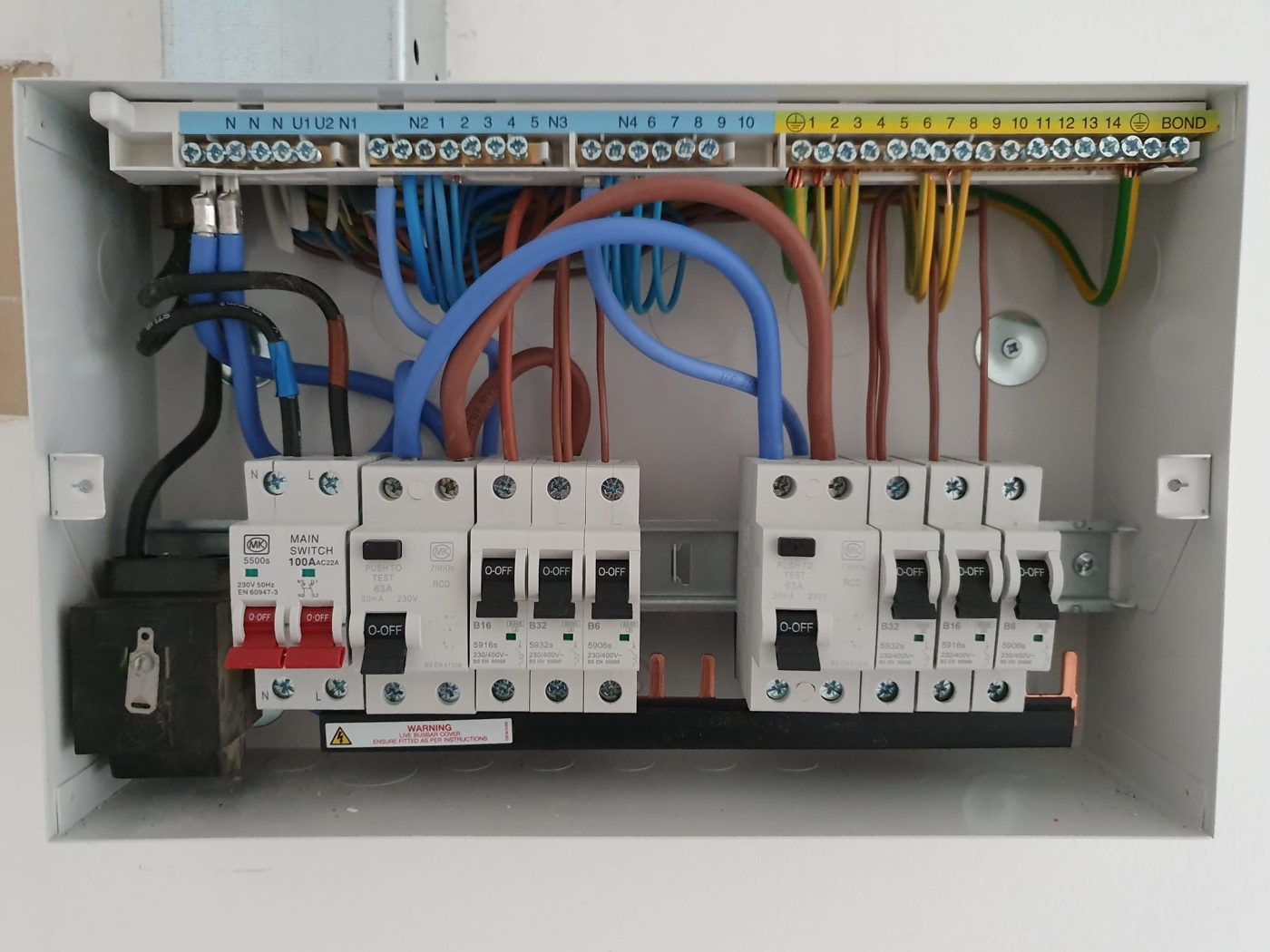
Fitted next to your consumer unit. Flick it to generator and the house is isolated from the mains, then back again when power returns.
Automatic changeover
For permanent standby generators. It senses the cut, starts the generator and switches over by itself, then switches back.
Essential circuits board
Lights, boiler, fridge, Wi-Fi and sockets you choose moved to their own board, so a smaller generator can run what matters most.
Garden office and cabin supplies
Power to a garden office or work cabin, included on the generator side so your work keeps going in a cut.
Earthing, testing and certificates
Earthing designed for the generator as a separate supply, every circuit tested, and a certificate to BS 7671.

Keep the home office running.
For many families, the biggest worry in a power cut is work. A garden office or work cabin is usually fed from the house consumer unit, so a changeover that covers the house can cover the cabin too. If the cabin has its own supply, we can give it its own changeover or bring it onto the generator side.
- Wi-Fi router and broadband kept powered
- Laptop chargers, lighting and heating in the cabin
- A sensible generator size worked out at the survey
Done safely, or not at all.
Plugging a generator into a household socket with a double-ended lead is dangerous. It can back-feed the network and injure engineers working on the line, and it can overload your wiring. A changeover switch makes sure your home is on the mains or on the generator, never both.
We also design the earthing for the generator, test every circuit and leave clear labels, so anyone in the house can switch over safely. For LPG generators, the gas connection is done by a Gas Safe engineer and we do the electrical side. Read our home standby generator guide.
Accredited and approved.
NICEIC Approved Contractor (registration no. 609893000), SafeContractor approved, and ECS-carded electricians on every job.



How it works.
Get in touch
Tell us what you need by phone, email or the form. A few details is plenty.
Survey and quote
We see the job before we price it, then put a clear quote in writing.
Tidy installation
Work planned around your home or site, with everything left clean.
Test and certify
Every circuit and cable tested, with the certificates handed over.
Home generator connections near you.
Based in Dartford, we connect home standby generators across Kent, London and south Essex.
Questions about home generators.
Can you connect a generator to my house?
Yes. We fit a weatherproof inlet on an outside wall and a changeover switch next to your consumer unit, so a portable or permanent generator can safely power your home in a power cut.
Can I plug a generator into a socket in my house?
No. Feeding a house through a socket, sometimes called a suicide lead, is dangerous to you and to anyone working on the network. A proper inlet and changeover switch keep the generator and the mains completely apart.
Can a generator run my garden office or work cabin too?
Yes. If the garden office is supplied from your house consumer unit, the changeover covers it. If it has its own supply, we can include it on the generator side or give it its own changeover.
Manual or automatic changeover?
Manual changeover is the simplest and lowest cost: you start the generator and move the switch. Automatic changeover starts the generator and switches over by itself, which suits homes where nobody may be in, or where a home office cannot drop out.
What size generator do I need for my home?
It depends on what you want to run. Powering a few essential circuits, such as lights, the boiler, the fridge and Wi-Fi, needs a much smaller generator than the whole house. We work out the load at the survey and recommend a size.
Can you connect an LPG generator?
Yes. LPG suits homes already on an LPG supply, as the fuel keeps and there is nothing to carry. The gas side must be done by a Gas Safe engineer; we do the electrical connection, changeover and earthing.
Is a power cut likely this winter?
The national grid operator expects supplies to stay secure this winter. Most household power cuts are local, caused by storms, falling trees or faults on overhead lines, and rural homes can wait longer to be reconnected.
How much does it cost?
It depends on the set-up, the cable run and whether essential circuits need their own board, so we give you a fixed written quote after a survey. Our standard rate is £60 + VAT per hour. See our guide prices.
Related services.
Business standby generators
Changeover switches, generator inlets and automatic transfer switches to keep your business trading through a power cut.
Consumer unit replacement
A modern board with room for an essential circuits section, so a smaller generator can run what matters.
Solar panels and battery storage
A home battery with backup can keep key circuits running in a cut, and pairs well with a generator.
Tell us about the job.
A few details is plenty. We will come back to you to arrange a visit and a written quote.