
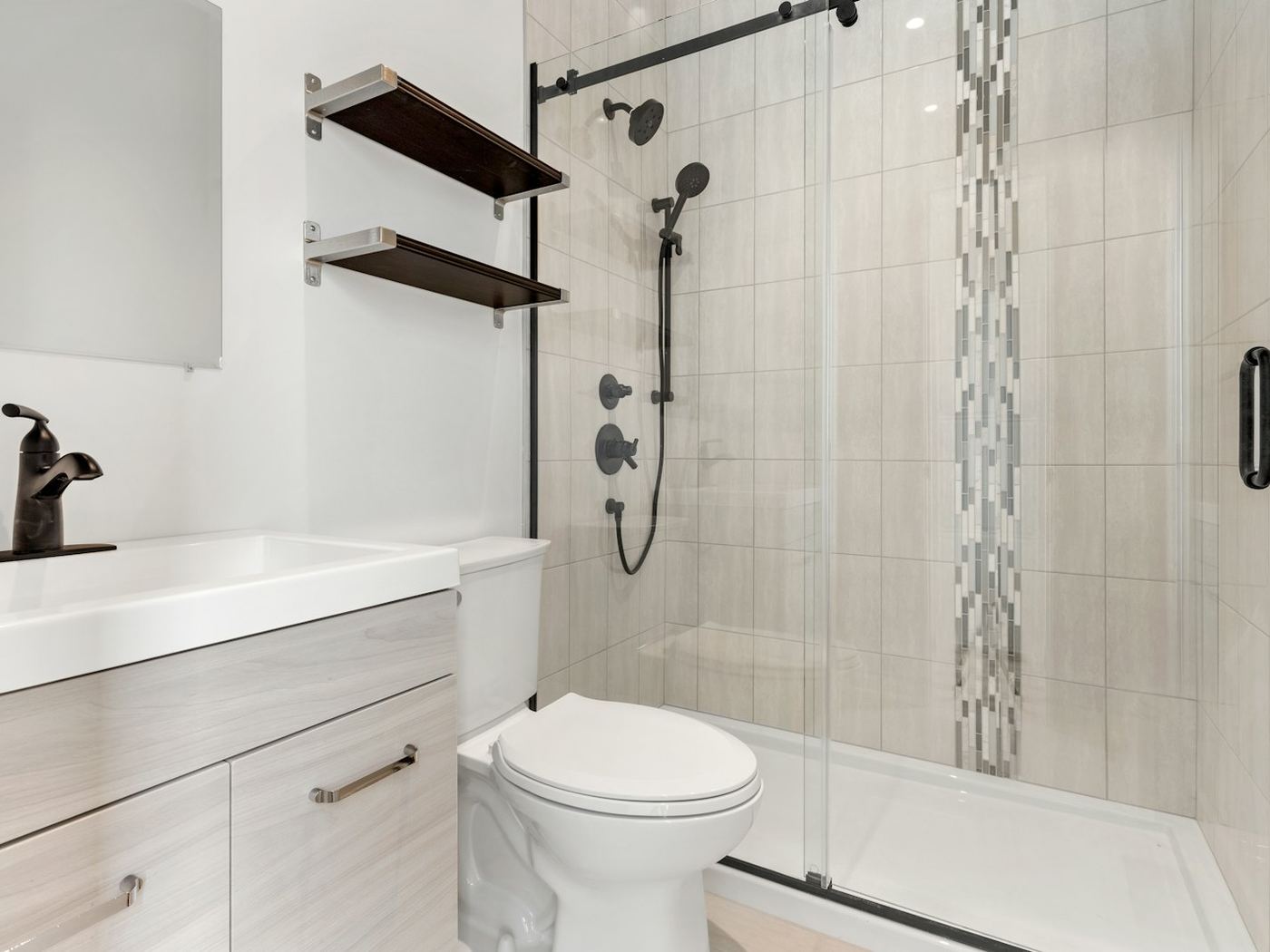
Extractor fans and electric showers: do you need Building Regs?
Fans and showers are some of the most common jobs in bathrooms and kitchens. Here is when the work is notifiable, what the ventilation rules ask for, and why a new shower needs more than a quick swap.
Part P in short
Part P of the Building Regulations covers electrical safety in homes in England. Certain types of work are notifiable, which means building control must be told. The main ones are installing a new circuit, replacing a consumer unit, and adding to or altering an existing circuit in a special location, which includes the area around a bath or shower.
A registered electrician, such as an NICEIC Approved Contractor, can self certify notifiable work and notify building control for you. You then receive a compliance certificate as well as an electrical certificate.
What is and is not notifiable
Whether a job is notifiable depends on what is actually being done, not just the appliance.
- A new electric shower on a new dedicated circuit: notifiable, because it is a new circuit
- Replacing an existing shower like for like on its existing, suitable circuit: generally not notifiable
- Replacing an existing extractor fan with a similar one in the same place: generally not notifiable
- Adding a new fan to an existing circuit close to a bath or shower: may be notifiable as work in a special location
- Any work that needs a new circuit or a consumer unit change: notifiable
- Non notifiable work must still be safe and carried out to BS 7671, the wiring regulations

Bathroom zones, IP ratings and RCDs
BS 7671 divides a bathroom into zones around the bath or shower. Zone 0 is inside the bath or shower tray, zone 1 is directly above it, and zone 2 extends a short distance beyond. Equipment in each zone needs a suitable IP rating to resist water, typically at least IPX4 in zones 1 and 2, and some equipment is not allowed in certain zones at all.
All circuits serving a room containing a bath or shower need 30mA RCD protection. If your existing shower or bathroom circuits are not RCD protected, this is likely to be raised when new work is carried out.
Ventilation and Part F
Part F of the Building Regulations deals with ventilation. Approved Document F sets minimum extract rates for intermittent extract fans, for example 15 litres per second in a bathroom, 30 litres per second in a kitchen where the fan is in a cooker hood or next to the hob, or 60 litres per second elsewhere in the kitchen, and 30 litres per second in a utility room.
Choosing a fan that meets these rates on paper is only half the job. Long or kinked ducting reduces real airflow, so the duct route matters. Overrun timers keep the fan running after the light is switched off, and humidistat fans switch on automatically when humidity rises. Both help to clear moisture properly and reduce condensation and mould, which are some of the most common problems in bathrooms.
Sizing a new electric shower circuit
Electric showers draw a lot of current. A typical 9.5kW or 10.5kW shower needs its own dedicated circuit with the right size of cable and protective device. Depending on the length of the run and how the cable is installed, that often means 10mm² cable, although the exact size must be calculated for each installation.
Upgrading to a more powerful shower on an old circuit is a common cause of overheating cables and burnt terminals. If the new shower is rated higher than the old one, the existing cable and protection need checking before it is connected.
Checking your supply and consumer unit
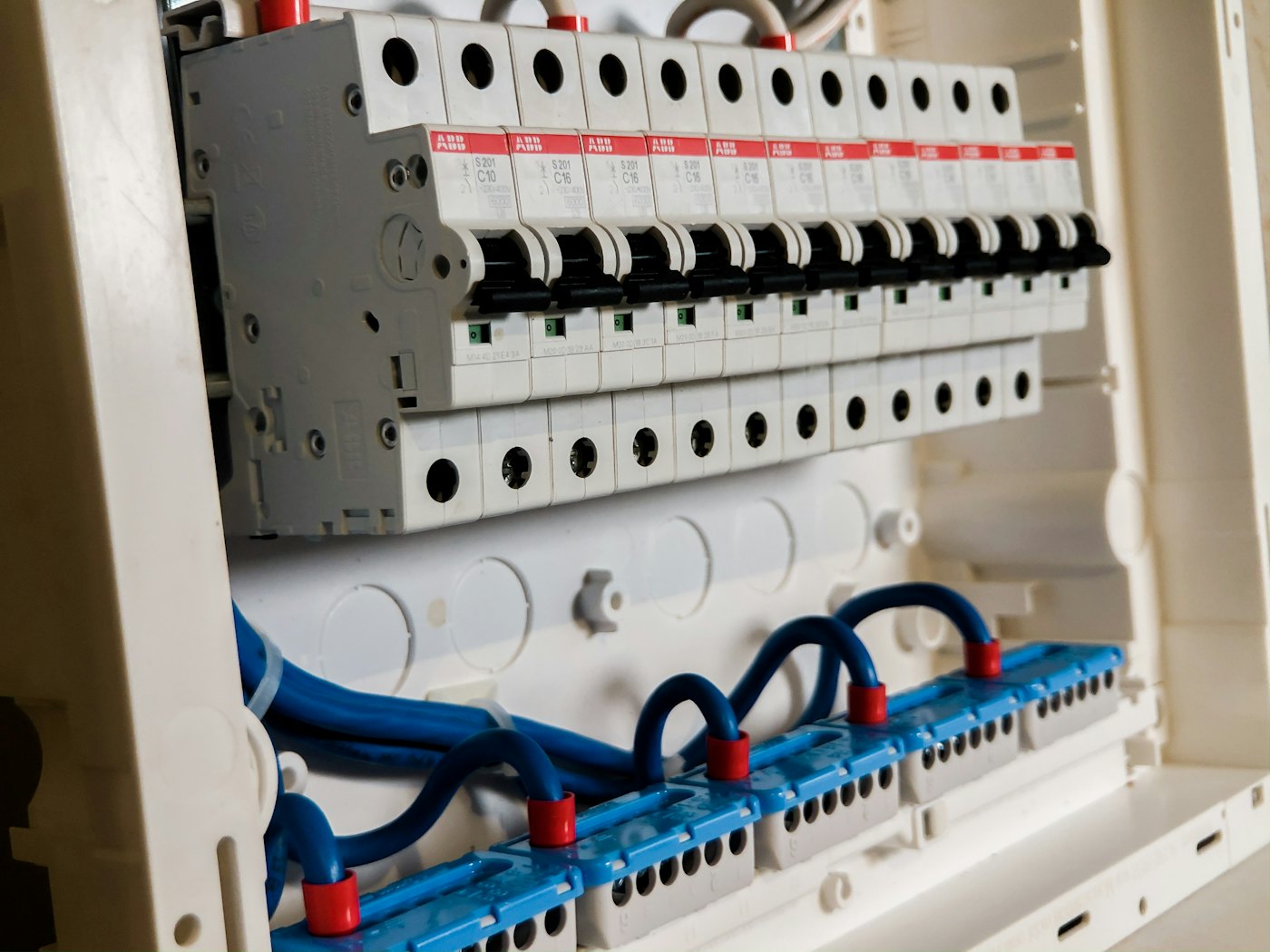
Before adding a large load such as an electric shower, an electrician should check the main fuse rating and the total demand on your supply, especially if you already have an electric cooker, an EV charger or electric heating. There also needs to be a suitable space and protection in the consumer unit. If the board is old or full, a consumer unit upgrade may be needed first.
Common questions
Can I replace my own extractor fan?
Replacing a like for like fan is not usually notifiable, but it must still be done safely and to BS 7671. If you are not confident with isolation and testing, use an electrician.
Does a new electric shower need building control?
If it needs a new circuit, yes. A registered electrician can self certify and notify the work for you.
Why does my bathroom still get mouldy with a fan?
Often the fan is undersized, the ducting is too long or restricted, or it switches off too soon. An overrun timer or humidistat fan usually helps.
Can I upgrade to a more powerful shower on the same cable?
Only if the existing cable and protective device are rated for the new load. This must be checked before the new shower is connected.
This guide is general information for properties in England and is not a substitute for an inspection by a qualified electrician.
More guides.
 Home, 5 min read
Do I need a new consumer unit?
Your consumer unit protects every circuit in your home. Here is how to tell whether yours is due an upgrade, and what a modern one does differently.
Read the guideHome, 6 min readWhy does my RCD keep tripping?
An RCD that trips is protecting you. Here is what it is telling you, how to narrow down the cause safely, and when it is time to call an electrician.
Read the guide Home, 5 min read
Signs your house needs rewiring
Rewiring is a big job, so it is worth knowing when it is genuinely needed. Here are the signs that matter, and the ones that often do not.
Read the guideAll guides
Browse every guide and our free EICR due date checker.
Tell us about the job.
A few details is plenty. We will come back to you to arrange a visit and a written quote.