
Are solar batteries worth it?
A home battery lets you use more of your own solar power and take advantage of cheaper electricity. Here is how they work, what affects whether one pays off, and what is involved in fitting one.
What a home battery does
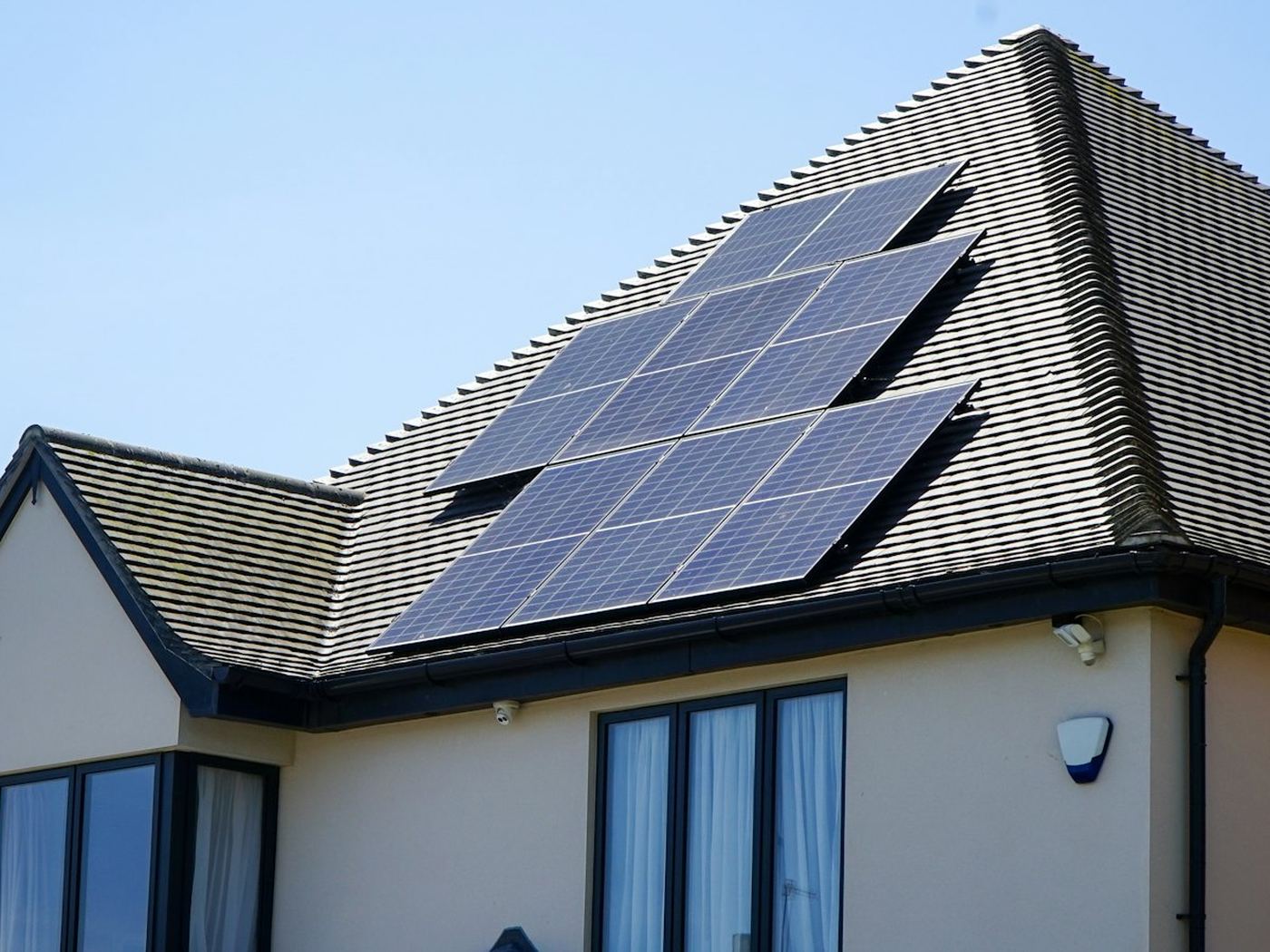
Solar panels generate most of their power in the middle of the day, when many homes are using very little. Without a battery, that surplus is exported to the grid. A battery stores it instead, so you can use it in the evening when you get home, cook and switch the lights on.
Using more of your own generated power is known as self consumption. The more of your solar you use yourself rather than export, the more value you usually get from your panels.
Time of use tariffs
A battery is not only useful with solar. Many energy suppliers now offer time of use tariffs with cheaper electricity overnight or at off peak times. A battery can charge during those cheap periods and power your home during the more expensive ones.
In winter, when solar generation is low, this can be where a battery earns most of its keep. Households with an electric vehicle or heat pump are often already on these tariffs, which makes a battery easier to justify.
Sizing a battery to your home
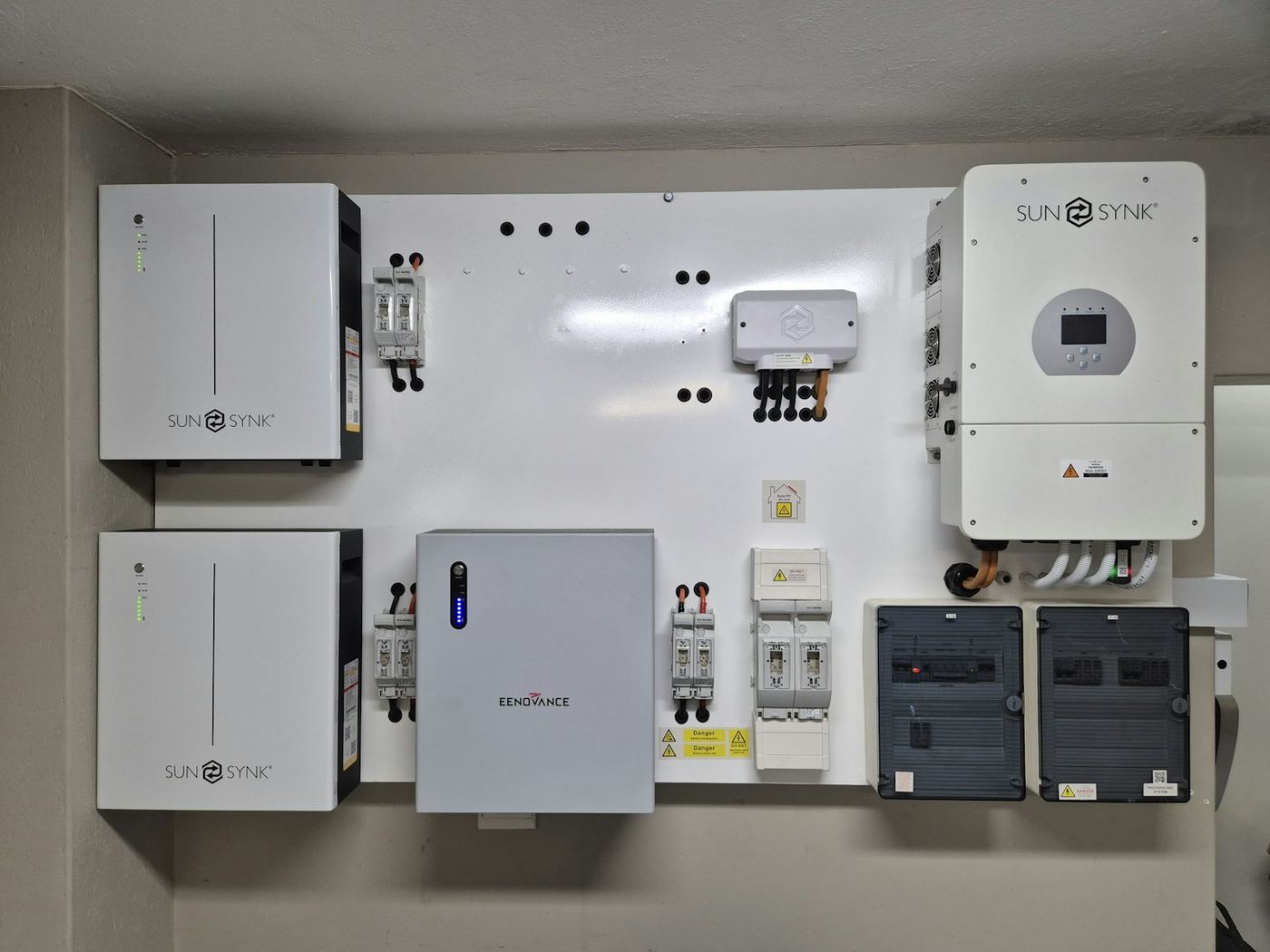
Bigger is not always better. A battery that is too large may never fill from your solar or empty overnight, so part of its capacity sits unused. One that is too small fills quickly on sunny days and runs out early in the evening.
The right size depends on how much electricity you use and when, the size of your solar system, and your tariff. Looking at your smart meter data or bills over a year gives a far better answer than a rule of thumb.
What affects whether it pays off
We do not quote typical payback periods, because they vary so much from home to home. These are the factors that make the biggest difference.
- How much of your electricity you use in the evening and overnight
- The size and orientation of your solar system, if you have one
- Whether you are on a time of use tariff, and how big the gap is between peak and off peak rates
- What you are paid for exported electricity, compared with what you pay to import it
- Whether you have, or plan to have, an EV or heat pump
- The installed cost, the warranty and the expected life of the battery
Export payments, VAT and notifying the network
Under the Smart Export Guarantee, larger energy suppliers must offer a tariff that pays you for electricity you export. To qualify, the installation usually needs to be MCS certified, or an equivalent, and you need a meter that can record exports, typically a smart meter. Some suppliers also offer tariffs that pay more if you export from your battery at peak times.
Solar panels and batteries installed in homes are currently zero rated for VAT, a relief that is in place until March 2027 for residential installations. The local network operator must also be notified. Smaller systems are usually covered by the G98 process, where notification follows installation, while larger systems need G99 approval before they are connected. Across most of Kent and London the network operator is UK Power Networks.
Adding a battery and where it can go
A battery can often be added to an existing solar system. An AC coupled battery has its own inverter and connects into your home's wiring, which suits most retrofits. A DC coupled battery shares a hybrid inverter with the panels, which can be slightly more efficient but may mean replacing your existing inverter.
Location matters. Recent guidance on battery installation in homes, PAS 63100, restricts where batteries can be sited, generally keeping them out of escape routes, sleeping areas and loft spaces, and calls for suitable smoke detection. A garage, outbuilding or utility room is often a good choice. The consumer unit also needs to be checked for space and suitable protection for the new connection.
Common questions
Can I add a battery to my existing solar panels?
Usually, yes. An AC coupled battery is the most common way to retrofit, as it works alongside your existing inverter.
Can I have a battery without solar panels?
Yes. A battery can charge from the grid on a cheap overnight tariff and power your home at peak times.
Will a battery keep my power on in a power cut?
Not automatically. Many systems shut down during a power cut for safety. Some offer backup or emergency power features, but this needs to be specified at installation.
Do I need to tell my energy supplier?
You need to notify the network operator, which your installer normally handles. You will also need to apply to your chosen supplier for a Smart Export Guarantee tariff if you want to be paid for exports.
This guide is general information for properties in England and is not a substitute for an inspection by a qualified electrician.
More guides.
Home, 6 min readInstalling an EV charger at home: what is involved
A home charger is the cheapest and most convenient way to run an electric car. Here is what happens between deciding you want one and plugging in.
Read the guide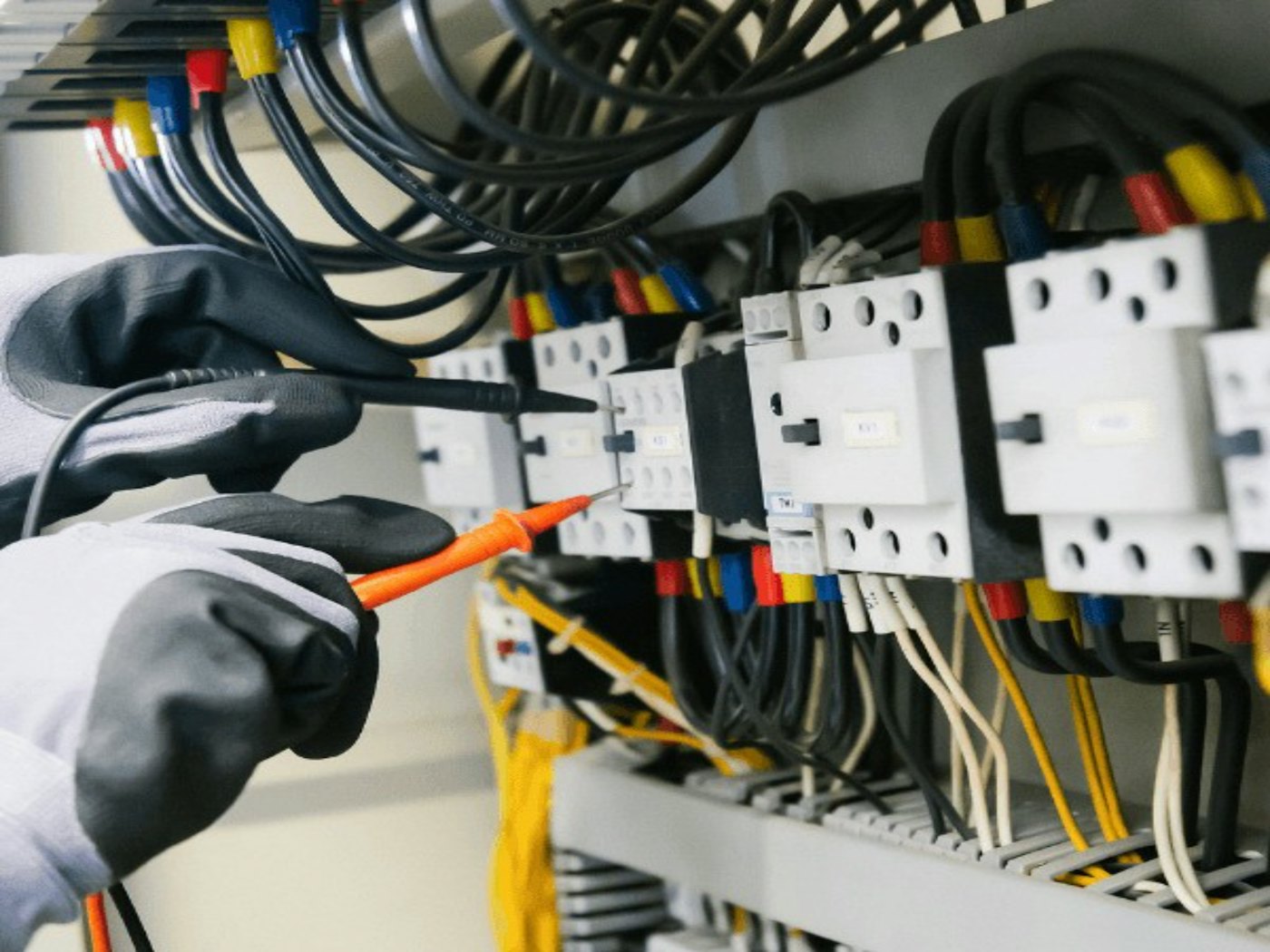 Home, 5 min read
Do I need a new consumer unit?
Your consumer unit protects every circuit in your home. Here is how to tell whether yours is due an upgrade, and what a modern one does differently.
Read the guide Home, 5 min read
Signs your house needs rewiring
Rewiring is a big job, so it is worth knowing when it is genuinely needed. Here are the signs that matter, and the ones that often do not.
Read the guideAll guides
Browse every guide and our free EICR due date checker.
Tell us about the job.
A few details is plenty. We will come back to you to arrange a visit and a written quote.