
Fire alarm grades explained.
Grade D1 LD2, Grade A LD2, Grade D2 LD3. If a council, surveyor or fire risk assessor has given you a specification like this, here is what each part means and what gets fitted.
Two halves of one specification
Fire alarm specifications for homes, flats and houses in multiple occupation come from BS 5839-6, the British Standard for fire detection in domestic premises. Every specification has two halves.
The grade, a letter such as A or D, describes the type of equipment and how it is powered. The category, such as LD2, describes where in the property detection is fitted. So Grade D1 LD2 means mains powered alarms with sealed backup batteries, fitted in the escape route and higher risk rooms.
The grades: what kind of system
The current version of the standard, BS 5839-6:2019, uses six grades. Older Grades B and E were withdrawn in 2019, so you may still see them on older paperwork.
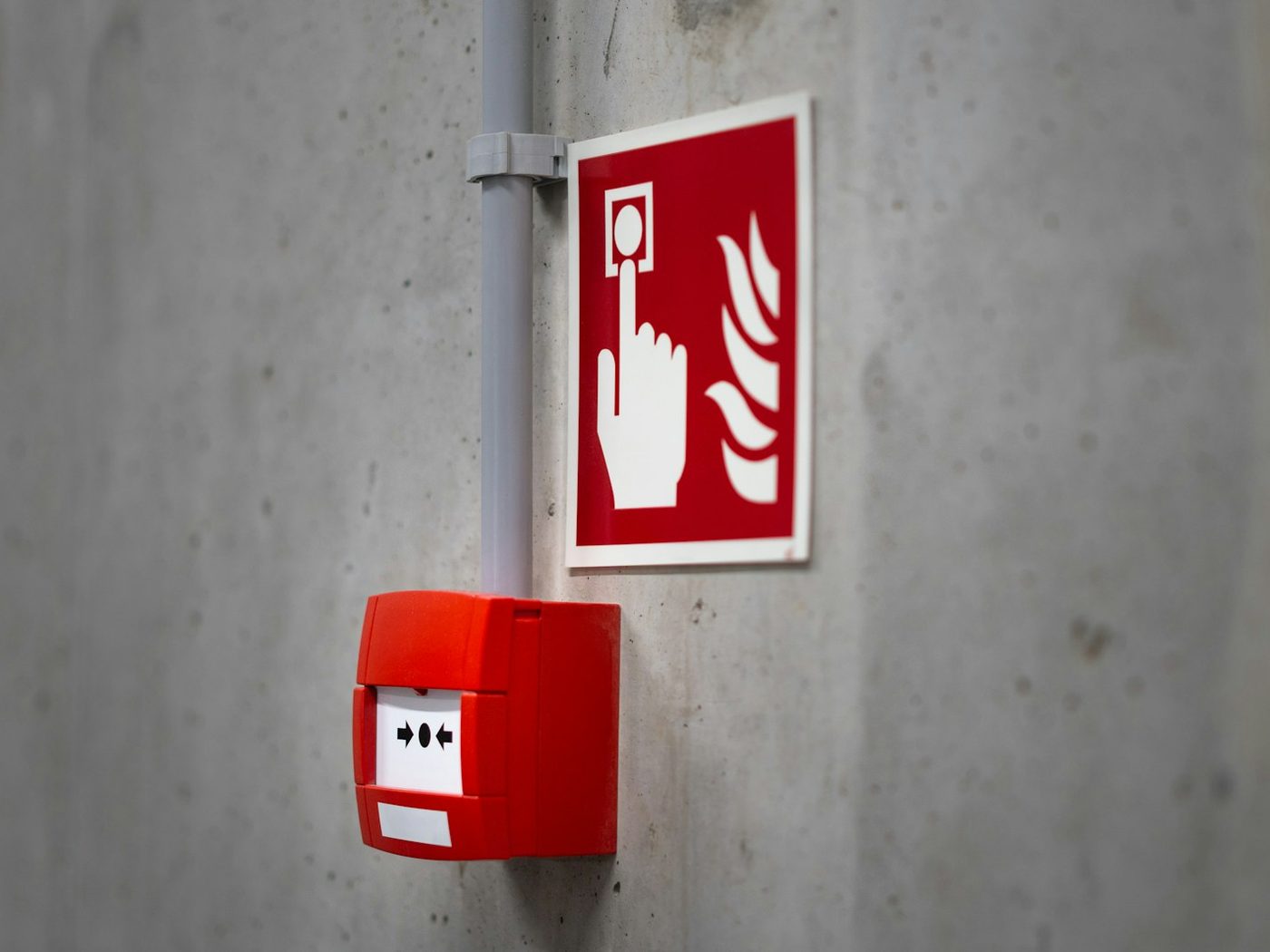
- Grade A: a full system with a control panel, detectors, call points and sounders, designed and installed to BS 5839-1. Typically used in larger HMOs and blocks with shared parts
- Grade C: separate detectors and sounders connected to central control equipment, with mains power and a standby supply
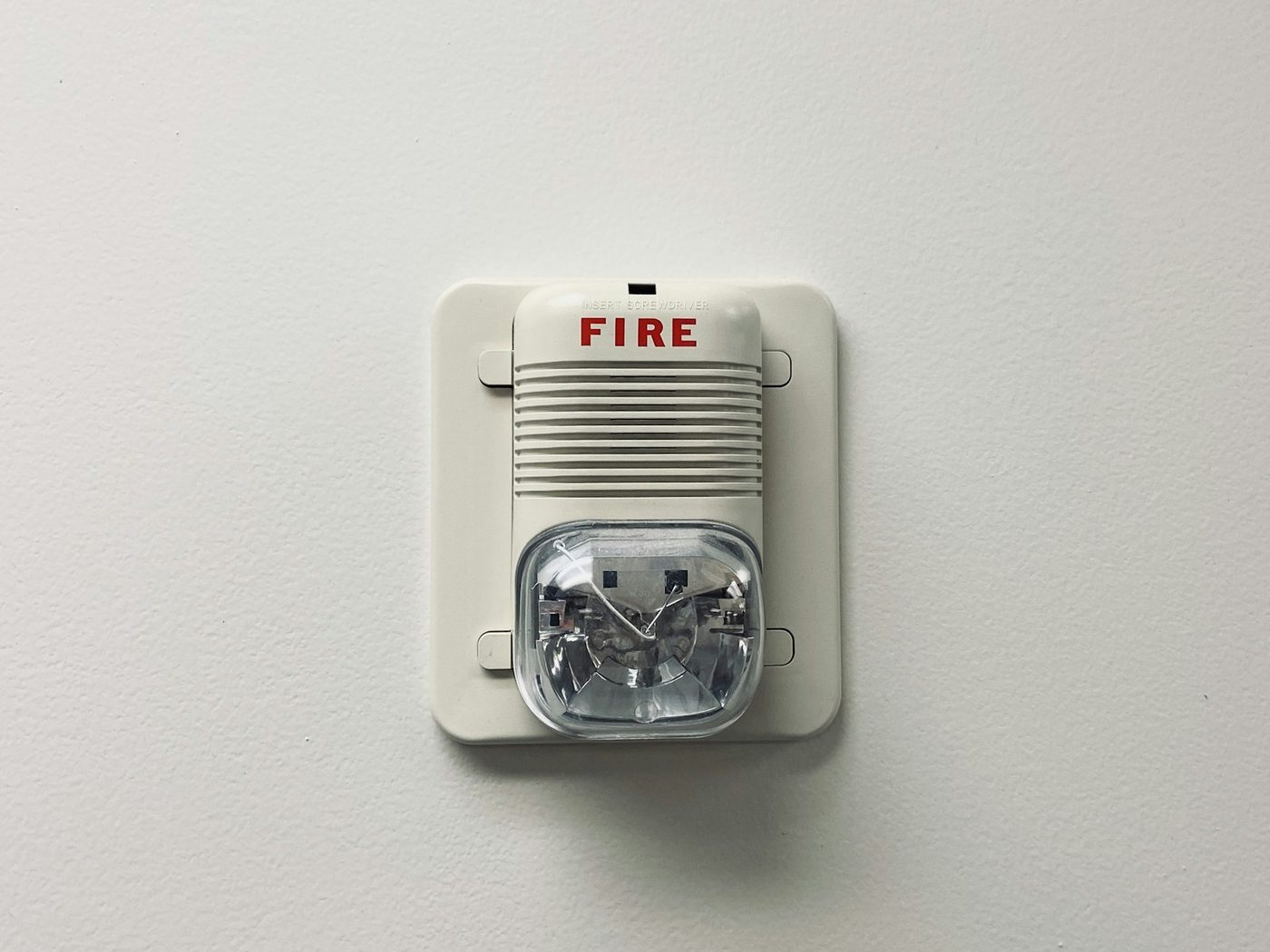
- Grade D1: mains powered smoke and heat alarms with a tamper proof standby battery built in, interlinked so they all sound together
- Grade D2: mains powered alarms with a standby battery that the user can replace
- Grade F1: battery powered alarms with a sealed, long life battery
- Grade F2: battery powered alarms with a replaceable battery
The categories: where detection goes
Categories for dwellings start with L for life protection or P for property protection, followed by D for dwelling. The lower the number, the more of the property is covered.
- LD1: detection in all circulation areas forming escape routes and in all rooms where a fire could start, which in practice is almost every room except bathrooms and shower rooms
- LD2: detection in the escape routes plus the rooms with a higher fire risk, normally the kitchen and the main living room
- LD3: detection in the escape routes only, such as hallways and landings
- PD1 and PD2: detection to protect property, either throughout or in defined rooms. These are less common and usually requested by insurers
Reading a combined specification
Put the two halves together and the specification tells an electrician exactly what to fit. A few of the most common combinations:
- Grade D2 LD3: interlinked mains alarms with replaceable backup batteries on each hallway and landing. The minimum Building Regulations ask for in new homes in England
- Grade D1 LD2: interlinked mains alarms with sealed batteries in the hallways and landings, a heat alarm in the kitchen and a smoke alarm in the main living room. Widely recommended for new and refurbished homes and common in smaller HMOs
- Grade D1 LD1: as above, but with alarms in every room where a fire could start, including bedrooms
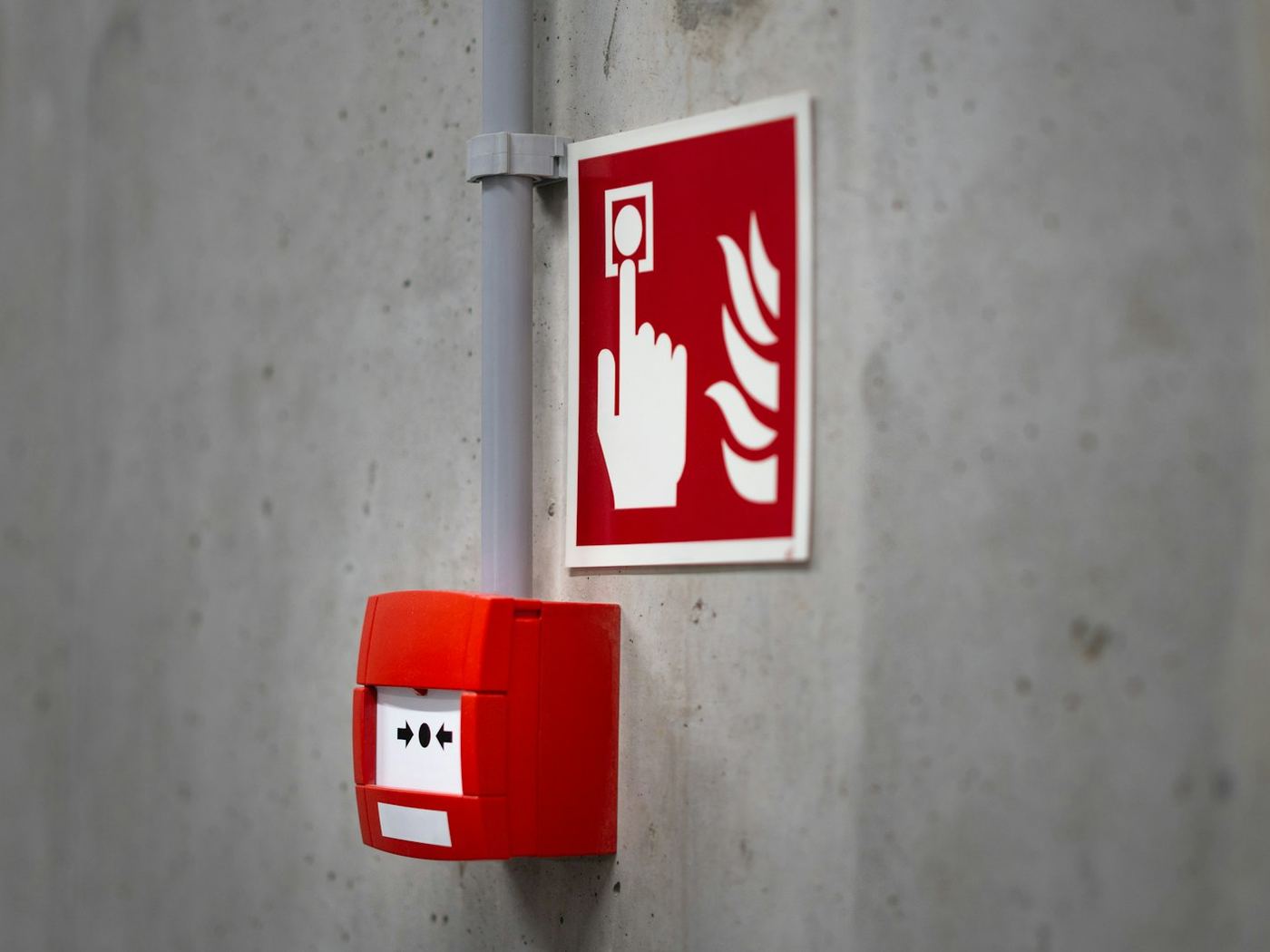
- Grade A LD2: a panel based system with detectors in the escape routes and higher risk rooms, manual call points by the exits, and sounders loud enough to wake people in every bedroom. Typical for larger shared houses and bedsit style HMOs
Which combination does your property need
The answer depends on the type of property, its size and layout, and who lives there. These are typical starting points in England, but your council, Building Control or fire risk assessment has the final say.
- New build and materially altered homes: Building Regulations require at least Grade D2 LD3, while BS 5839-6 recommends Grade D1 LD2
- Existing owner occupied homes: no legal requirement to upgrade, but Grade D1 LD2 is a sensible target when rewiring or renovating
- Rented homes: smoke alarms on every storey used as living accommodation and carbon monoxide alarms where needed are a legal minimum. Mains interlinked alarms are good practice
- Smaller shared houses and HMOs on one or two storeys: often Grade D1 LD2 or LD3, interlinked
- Larger HMOs, bedsits and properties of three storeys or more: often Grade A LD2, with a control panel and call points
- Flats: alarms inside each flat, with the common parts covered separately if the fire risk assessment calls for it
What about P1, L2 and Grade A in offices
Grades only apply to domestic premises. Offices, shops, factories, schools and the common parts of larger buildings are covered by BS 5839-1, which uses categories only, such as L2, L3, P1 and M. Our guide to fire alarm categories explains those in detail.
The overlap is Grade A. A Grade A domestic system is designed and installed to BS 5839-1, so it uses the same type of panel, detectors and call points as a commercial system.
Testing and maintenance by grade
Grade D and F alarms should be tested regularly by pressing the test button on each alarm, at least monthly, and replaced in line with the manufacturer's recommendations, which is usually every ten years.
Grade A systems need weekly tests from a call point, recorded in a logbook, and servicing by a competent person at intervals typically not exceeding six months. Grade C systems sit in between and should be tested and serviced in line with the installer's instructions.
Common questions
What does Grade D1 LD2 mean?
Mains powered, interlinked smoke and heat alarms with sealed backup batteries, fitted in the hallways and landings, the kitchen and the main living room.
What is the difference between Grade D1 and D2?
Both are mains powered with a backup battery. In D1 the battery is sealed into the alarm and cannot be removed. In D2 the user can replace it.
Is LD3 enough for my home?
LD3 is the minimum for new homes in England, covering escape routes only. LD2 adds the kitchen and living room, where most fires start, so it gives earlier warning.
Does an HMO need a Grade A system?
Larger HMOs, bedsit style properties and those of three storeys or more often do. Smaller shared houses usually need Grade D interlinked alarms. Check your council's licensing conditions.
Can you upgrade my existing alarms?
Yes. We regularly upgrade battery alarms to mains interlinked Grade D1 systems and install Grade A panels in HMOs, with a certificate when the work is done.
This guide is general information for properties in England and is not a substitute for an inspection by a qualified electrician.
More guides.
 Business, 7 min read
Fire alarm categories explained
Fire alarm specifications are full of letters and numbers. Here is what L1, M, P2, LD2 and Grade D1 actually mean, and how the right system is chosen for your building.
Read the guideLandlords, 6 min readSmoke and carbon monoxide alarm rules for landlords
Since October 2022, landlords in England have had clearer duties on smoke and carbon monoxide alarms. Here is what the rules require, where alarms need to go, and when mains wired alarms make sense.
Read the guide Business, 5 min read
Emergency lighting testing: what you need to do
If you are responsible for a workplace, shop, block of flats or other non domestic building, emergency lighting is part of your fire safety duties. Here is what testing involves.
Read the guideAll guides
Browse every guide and our free EICR due date checker.
Tell us about the job.
A few details is plenty. We will come back to you to arrange a visit and a written quote.