
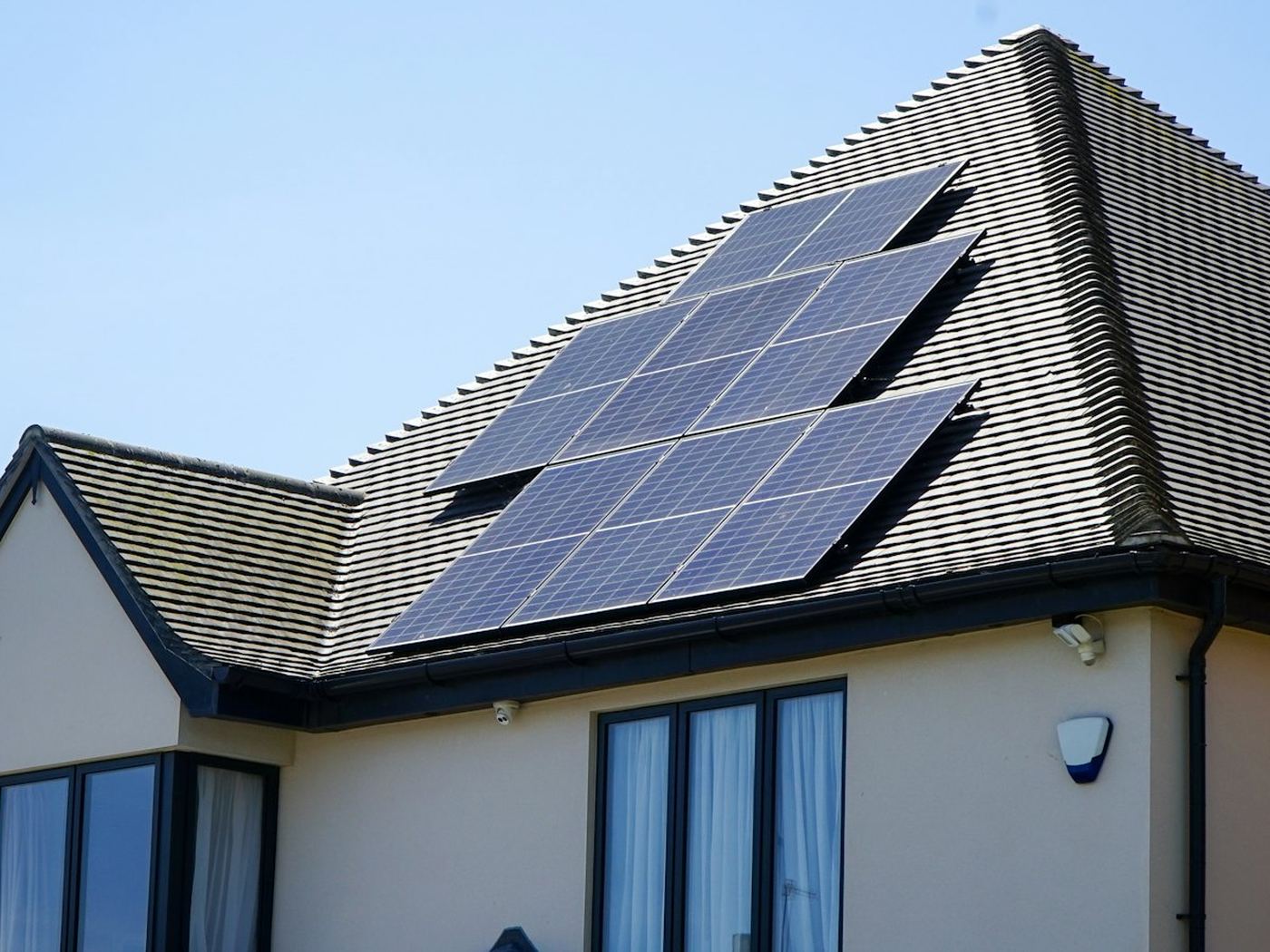
Plug-in solar, made safe.
Plug-in solar panels became legal in the UK on 27 August 2026. Before you plug one in, make sure the socket, circuit and RCD behind it are up to the job. We check your electrics, upgrade what is needed and fit a proper outdoor socket where your panel will go.
Plug-in solar safety check: From £120 + VAT (£144 including VAT), the same as our standard call-out. Any upgrades are quoted before we start. See all guide prices.
Plug and play, if your wiring is ready.
A plug-in solar kit is one or two panels with a small inverter that feeds power into your home through an ordinary socket. It is a cheap and simple way to cut your bills, especially if you rent or live in a flat with a balcony.
Unlike every other appliance, it sends power into your circuit rather than drawing from it. That is why the protection behind the socket matters. The government's own figures assume that around one in five homes will need an electrician to do some work before a kit can be used safely.
Get your electrics checked first if you have:
- An older fuse box or rewireable fuses
- RCDs you are not sure about, or none at all
- A house that has not had an electrical check in years
- No socket near where the panel will go
- Sockets that feel warm, crackle or scorch
- Plans to add a battery as well
How we help.
Plug-in solar safety check
We find out which circuit the socket is on, what protects it, and test that the circuit and RCD are working properly. From £120 + VAT.
Type A RCD upgrades
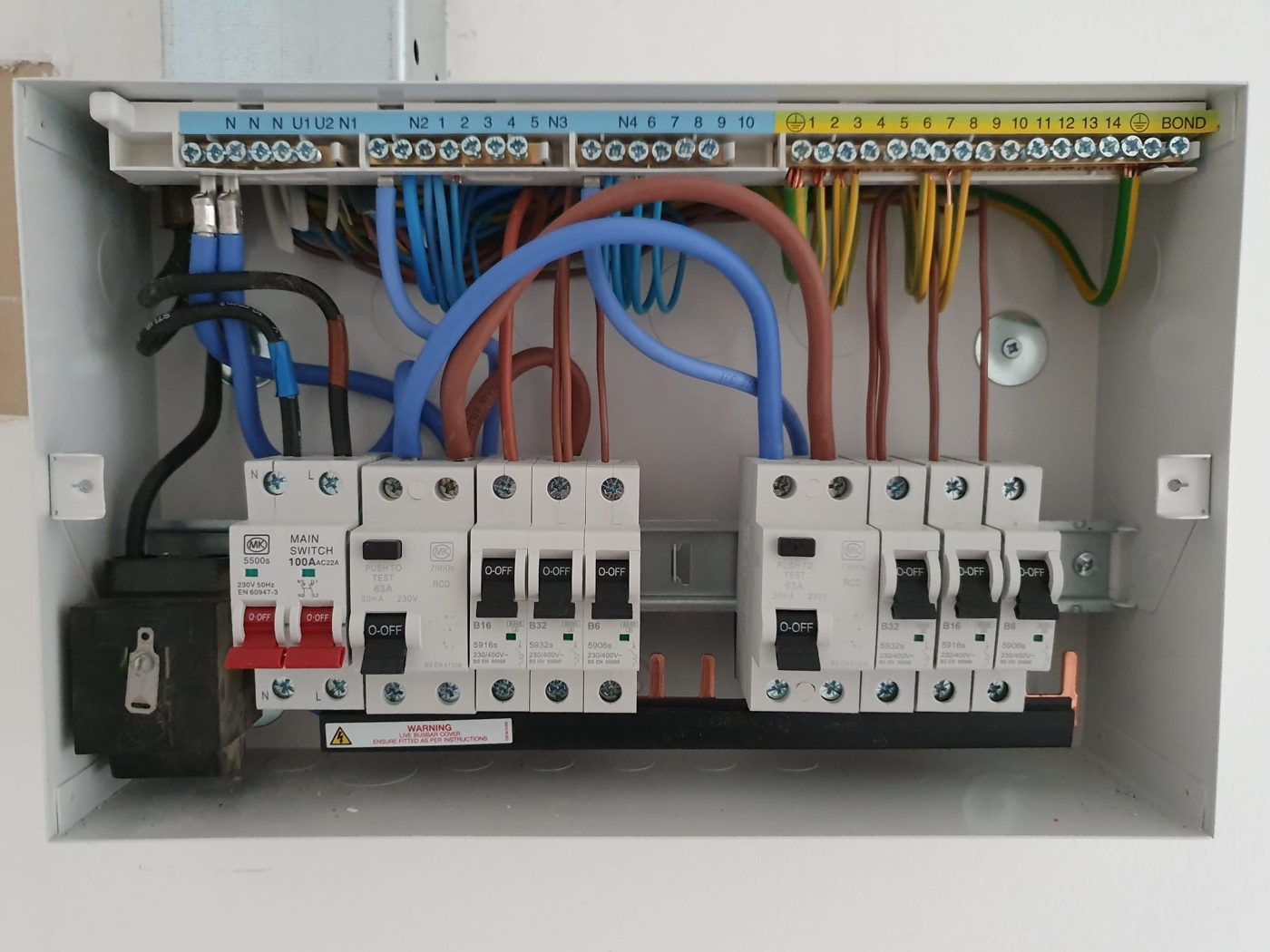
Older Type AC RCDs are not suitable. We fit Type A RCDs or RCBOs on the circuits you need, or replace the whole board where that makes sense.
New outdoor sockets
A weatherproof socket on the balcony, wall or garden, on a properly protected circuit, so you never need an extension lead.
Old fuse boxes replaced
Rewireable fuses and boards with no RCD protection replaced with a modern consumer unit, usually in a day.
Hardwired batteries
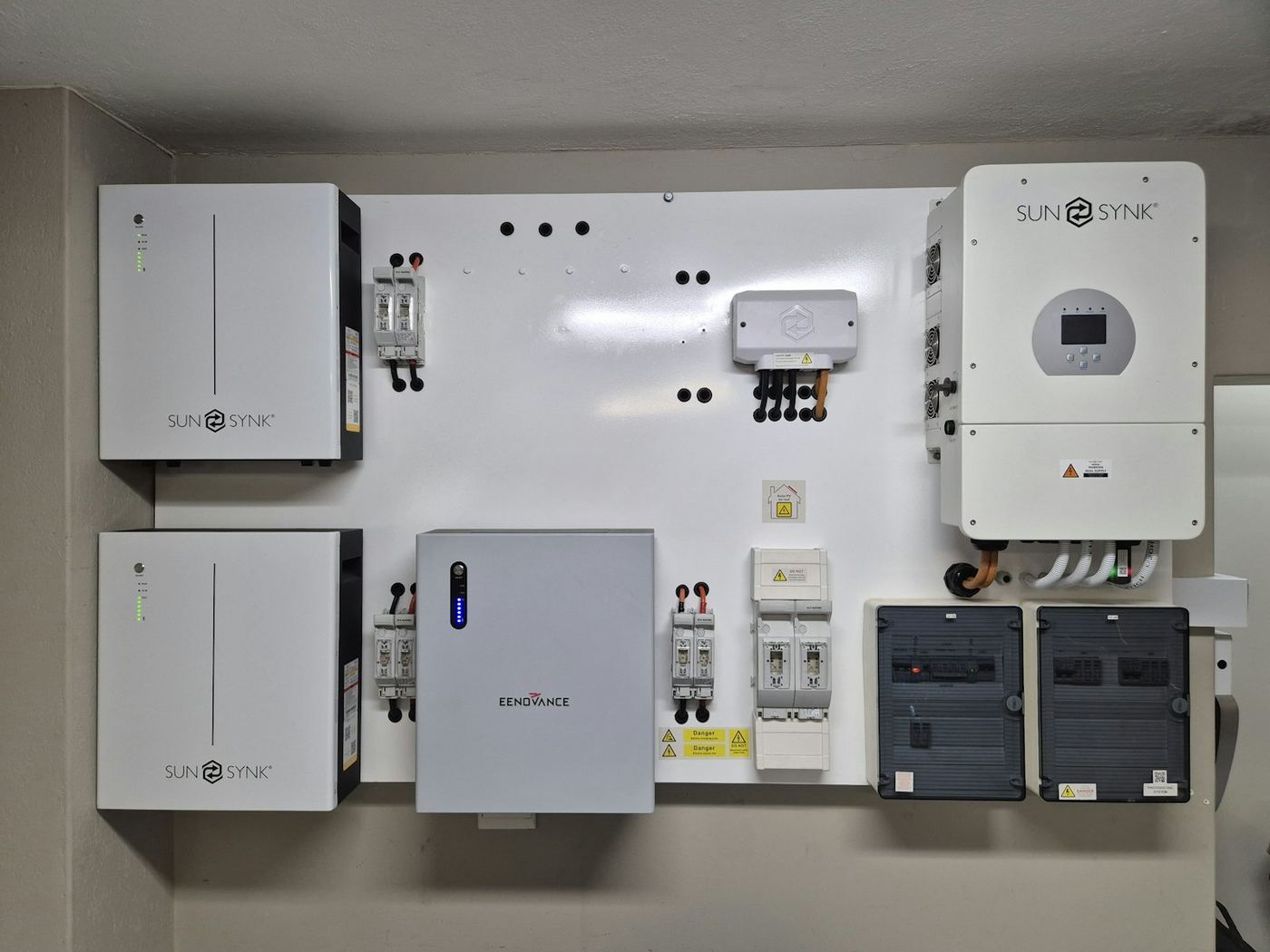
Want to store your solar power? A battery fitted, notified and certified by an electrician is the approved route today.
Advice before you buy
Not sure if a kit is compliant, or which socket to use? Ask us before you spend anything.
What the new rules say.
Since 27 August 2026, a plug-in solar system of up to 800 watts can connect through a standard socket, as long as the product meets the government's plug-in solar specification. Only one system per household is allowed at the moment.
- Buy a kit that is clearly marked as meeting the UK specification, from a reputable seller
- Plug it straight into a wall socket, never an extension lead, reel or adaptor
- Make sure the circuit is protected by a suitable RCD, at least Type A
- Follow the seller's instructions on notifying your network operator
Electrical Safety First warns that not every home is ready yet, and advises a check by a competent electrician in older properties or where you are not sure what protects the circuit. Read the government announcement.
What about plug-in batteries?
Plug-in batteries charge from a socket and then send power back into your home through the same socket. They are not covered by the new plug-in solar rules, and the government has said storage needs its own approval route.
If you want to store solar power or charge on a cheap overnight tariff, a battery hardwired by an electrician is the approved way to do it today. It is installed on its own protected circuit, notified to the network operator and certified to BS 7671. See solar and battery storage.
Accredited and approved.
NICEIC Approved Contractor (registration no. 609893000), SafeContractor approved, and ECS-carded electricians on every job.
How it works.
Get in touch
Tell us what you need by phone, email or the form. A few details is plenty.
Survey and quote
We see the job before we price it, then put a clear quote in writing.
Tidy installation
Work planned around your home or site, with everything left clean.
Test and certify
Every circuit and cable tested, with the certificates handed over.
Plug-in solar checks near you.
Based in Dartford, we check and prepare homes for plug-in solar across Kent, London and south Essex.
Questions about plug-in solar.
Is plug-in solar legal in the UK?
Yes, from 27 August 2026. You can plug a compliant solar kit of up to 800 watts into a standard socket. It must meet the government's plug-in solar product specification, and only one system per household is allowed for now.
Do I need an electrician to install plug-in solar?
Not by law. But the government expects some homes to need electrical work first, and electrical safety charities advise a check if your home is older or you are not sure what protects the circuit. We can check it in a short visit.
What type of RCD do I need for plug-in solar?
Electrical Safety First advises at least a Type A RCD, suitable for two-way power flow, protecting the circuit you plug into. Many older boards have Type AC RCDs, which are not suitable. We can tell you what you have and upgrade it if needed.
Can I plug a solar panel into an extension lead?
No. Plug it straight into a wall socket. Extension leads, cable reels and adaptors can overheat and can stop the circuit protection working properly. If there is no socket near your panel, we can fit a weatherproof one.
Are plug-in batteries legal?
Battery units that charge from a socket and then discharge back into your home's wiring are not covered by the new rules, and the government says storage needs its own approval route. A battery hardwired by an electrician is the safe, approved way to store power today.
How much will plug-in solar save me?
The government estimates an 800 watt kit costs around £400 to £600 and saves roughly £70 to £110 a year, depending on how it faces and how much of the power you use at home.
How much does a plug-in solar check cost?
A plug-in solar safety check is from £120 + VAT, the same as our standard call-out. If the circuit needs a new RCD or an outdoor socket, we confirm the price before doing any work.
Related services.
Consumer unit replacement
Replace an old fuse box with a modern consumer unit, with the RCD and surge protection current regulations expect. Usually done in a day.
Lighting and sockets
Extra sockets, outdoor sockets, USB points and lighting, added safely to circuits that can take them.
Solar panels and battery storage
Roof-mounted solar, hybrid inverters and home batteries, properly wired in, notified and certified to BS 7671.
Tell us about the job.
A few details is plenty. We will come back to you to arrange a visit and a written quote.